
Category: Civil Engineering
-
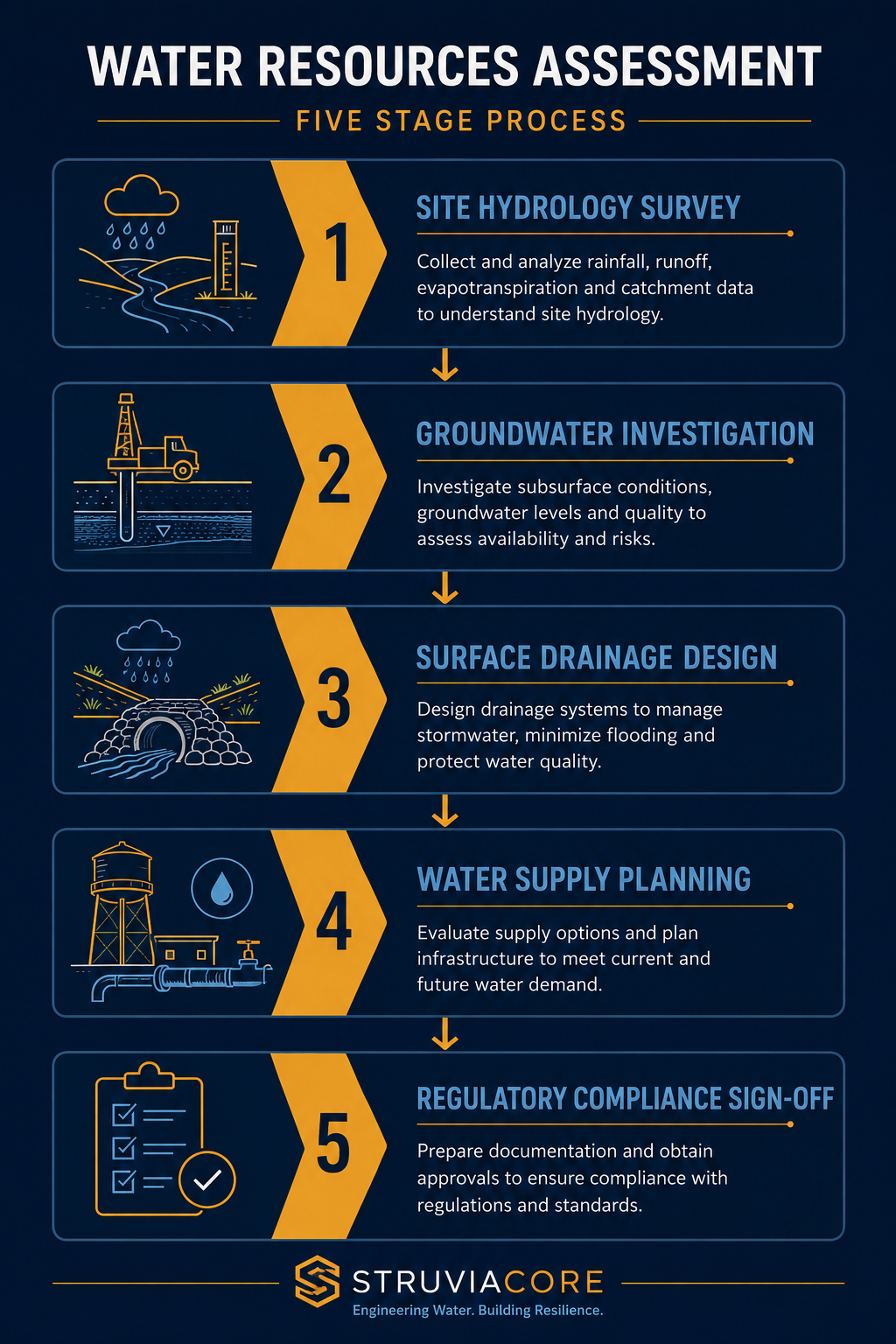
Water is the single variable most likely to derail a civil engineering project in Nigeria — and the most consistently underestimated. Across Lagos Island, the Abuja FCT, and the Niger Delta, experienced site engineers have watched well-designed structures fail because the water resources assessment happened too late, too thin, or not at all. Drainage outfalls…
-
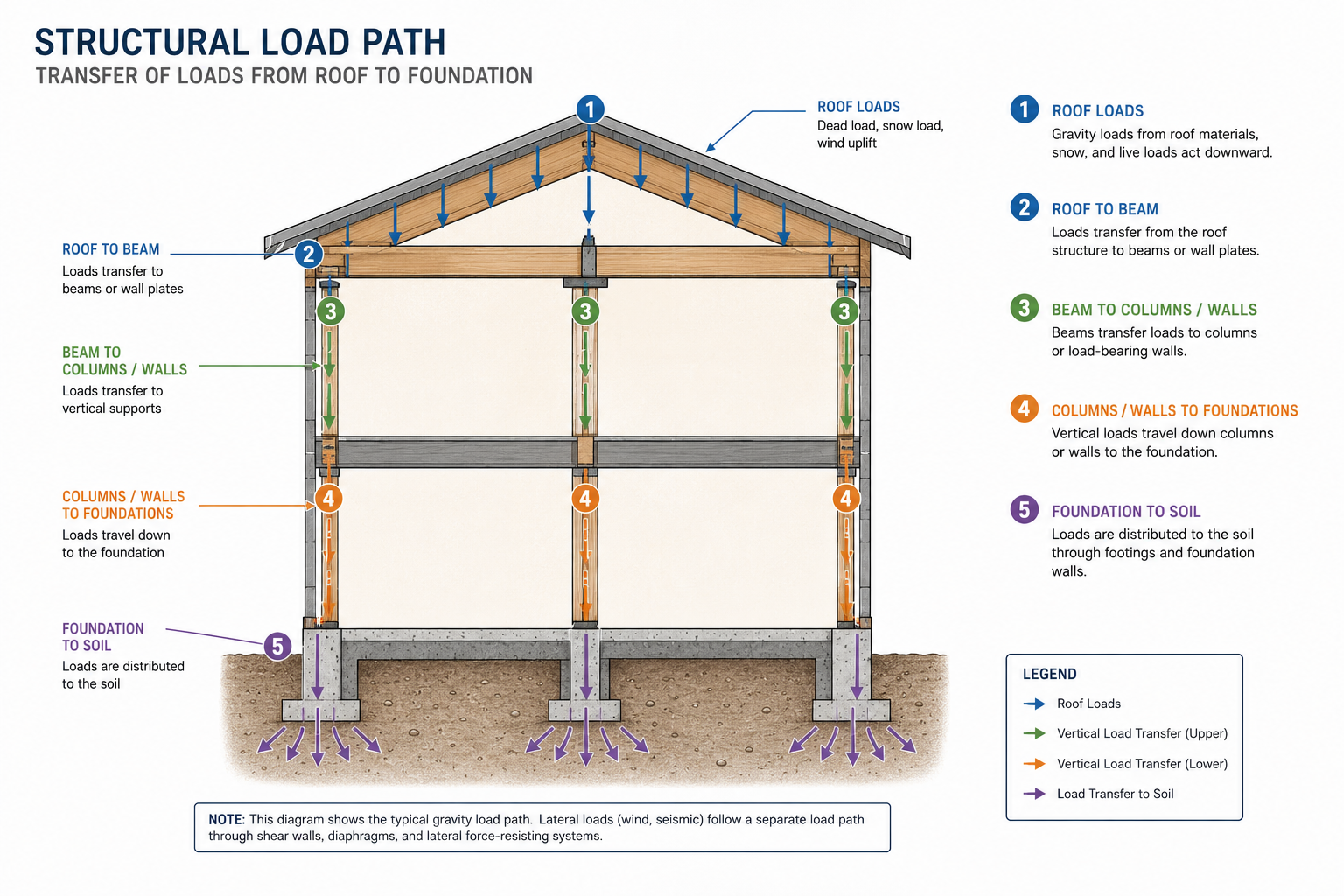
Walk past any construction site in Lagos, Abuja, or Port Harcourt and you will see reinforced concrete frames, steel roof trusses, retaining walls, foundations, and elevated water tanks taking shape. What most people do not see is the engineering work that determines whether those structures will safely carry loads for decades or develop cracks, excessive…
-

A road fails before it cracks. By the time you see rutting on a newly opened carriageway in Dubai or surface ravelling on an Abu Dhabi industrial access road, the problem was already embedded — in the subgrade assessment that was skipped, the binder course mix that was laid at the wrong temperature, or the…
-
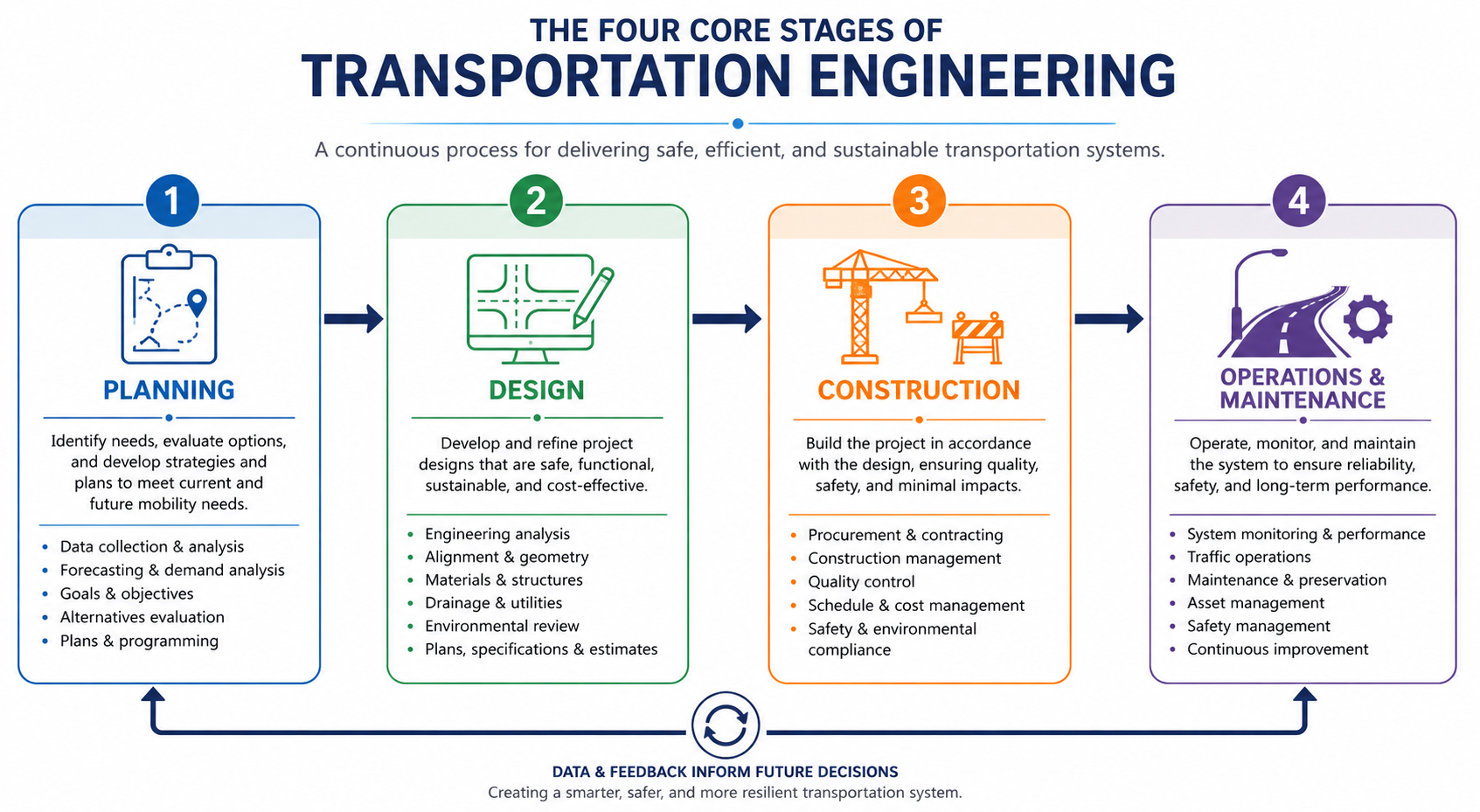
Drive along the Abuja–Kaduna Expressway, cross the Third Mainland Bridge in Lagos, or navigate the growing ring-road network around Port Harcourt, and you are experiencing decades of transportation engineering decisions made visible. Some of those decisions were sound. Others — crumbling asphalt shoulders, under-designed drainage channels, bridges with no pedestrian provision — reveal what happens…
-
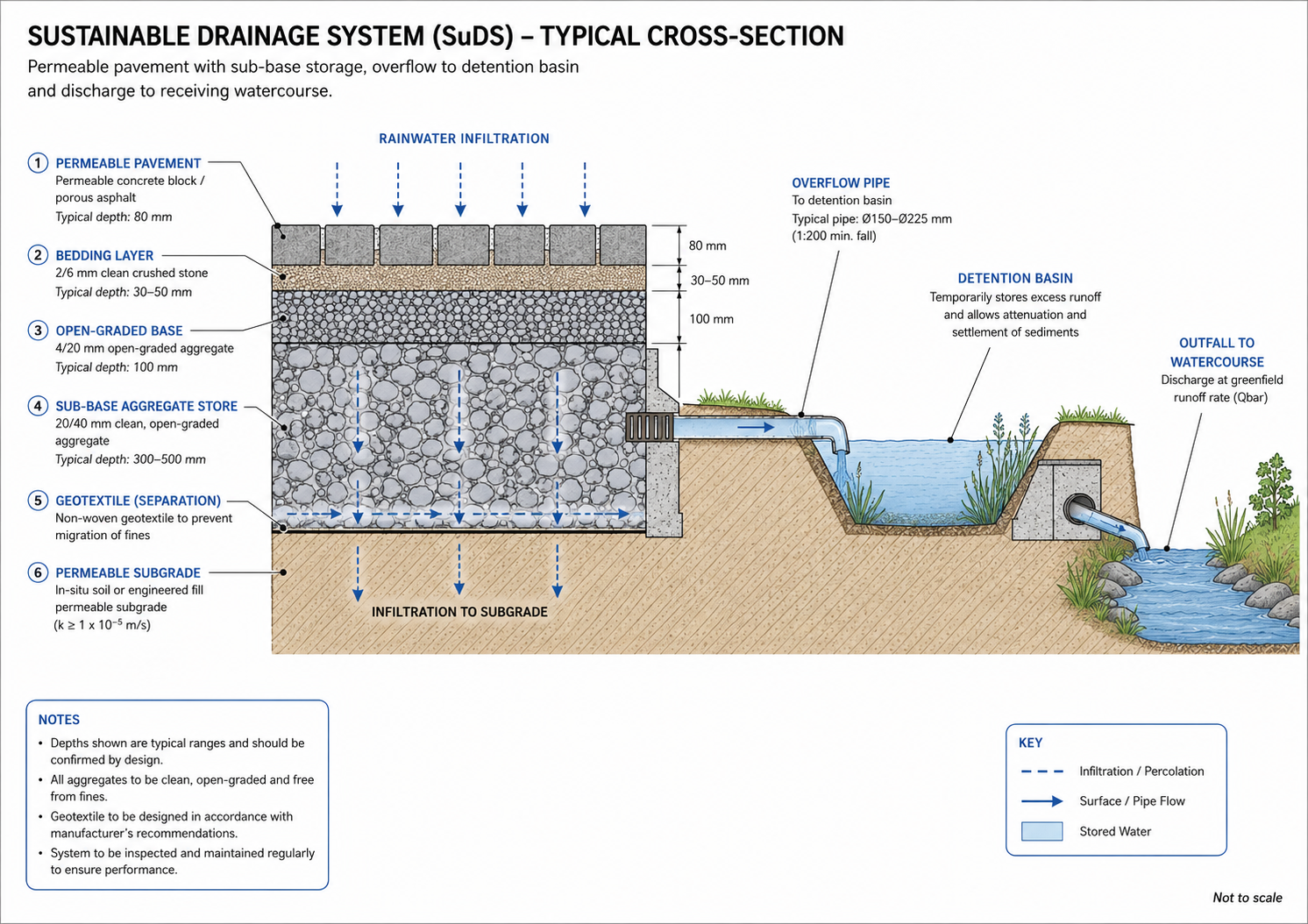
Walk along any engineered riverbank in the UK — the Thames Barrier, the flood relief channels in Peterborough, the tidal defences along the Humber estuary — and you are looking at hydraulic engineering made physical. The discipline is often underestimated in early project scoping, treated as a sub-discipline to be engaged once the structural frame…
-
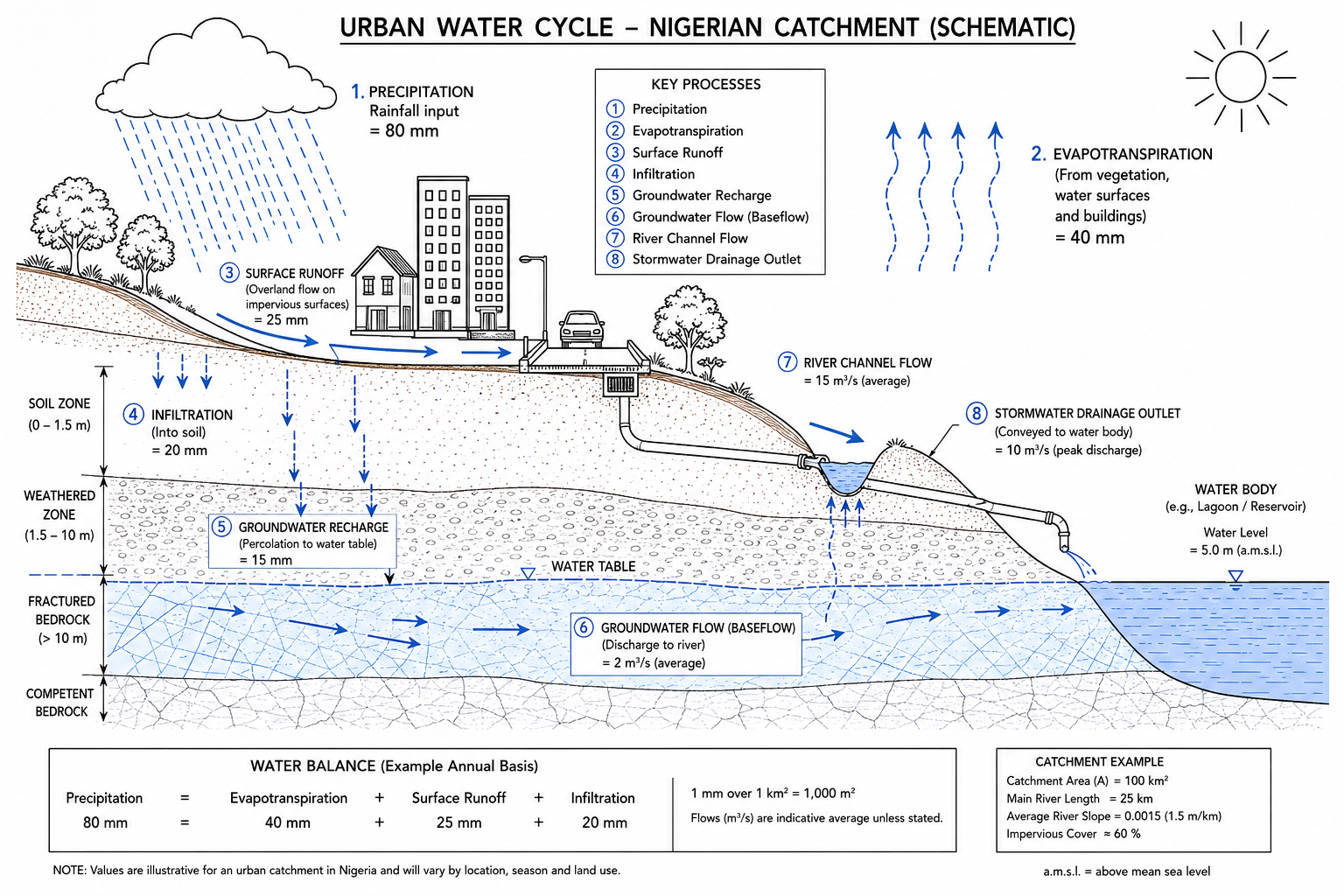
Drive through Warri after a heavy downpour in July. The roads are rivers. Markets are flooded. Properties built within what was once a flood plain are underwater — not because the rain was extraordinary, but because no one modelled the catchment hydrology before laying the first block. Now scale that problem to Lagos Island, Port…
-
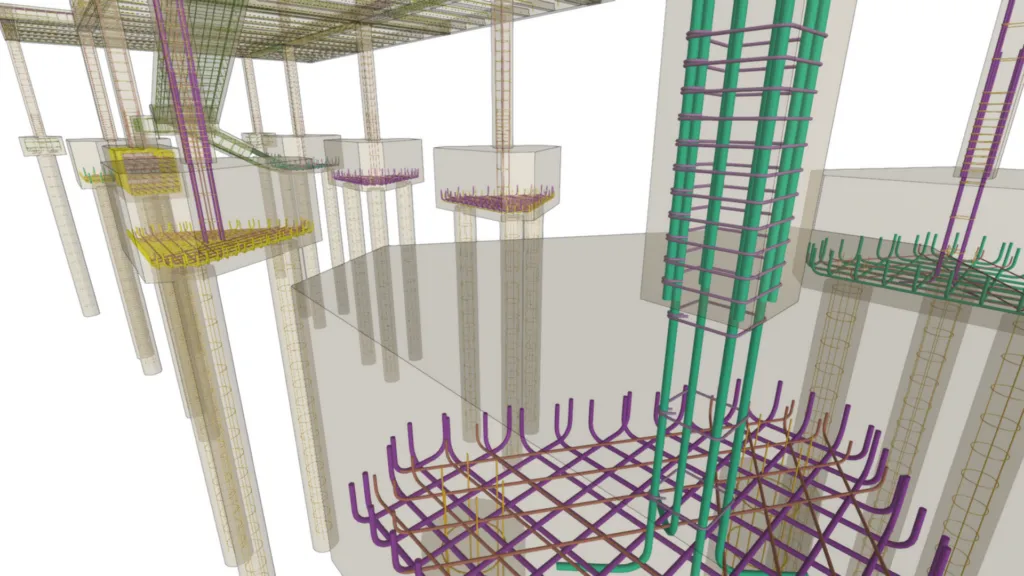
A five-storey residential building in Lekki Phase 1. Soil investigation reports showing soft, compressible clay to a depth of 12 metres. The client wants a pad foundation because the contractor priced it lower. The geotechnical engineer recommends driven piles. The architect has already drawn the ground floor slab. And the project is supposed to start…
-

Walk past any multi-storey building under construction in Lagos Island, and you will see columns rising, slabs being poured, and steel being fixed — all before the architect’s vision becomes visible to anyone outside the hoarding. What you are watching is structural engineering in action. The discipline is not decoration. It is the reason the…