
Category: Civil Engineering
-
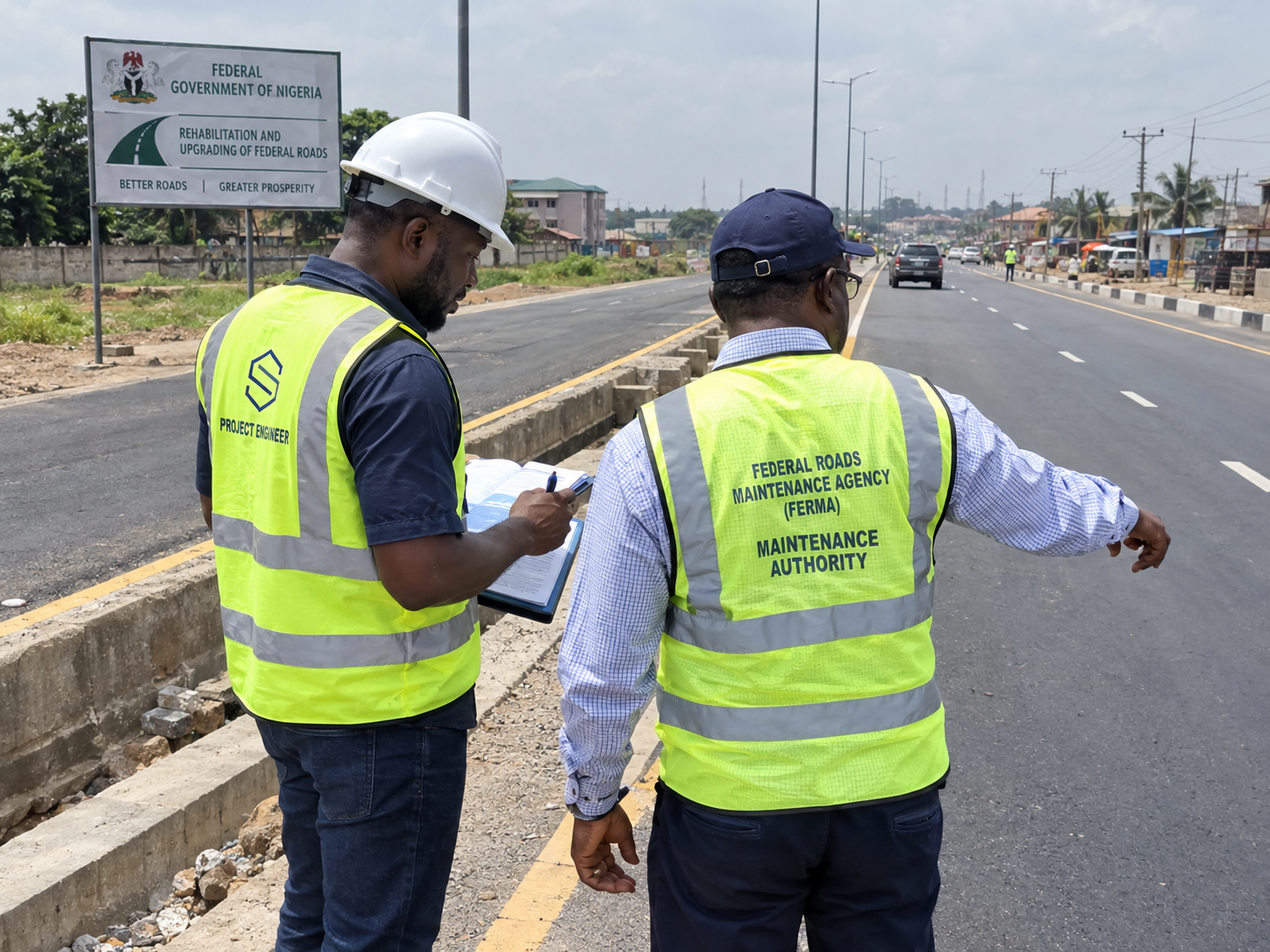
A pavement can be designed correctly, with sound CBR data, the right Road Note 31 layer thicknesses, and a materials specification that accounts for Nigeria’s rainy season, and still fail within its first two years for reasons that have nothing to do with the design itself. A contractor selected on lowest bid without capacity verification…
-
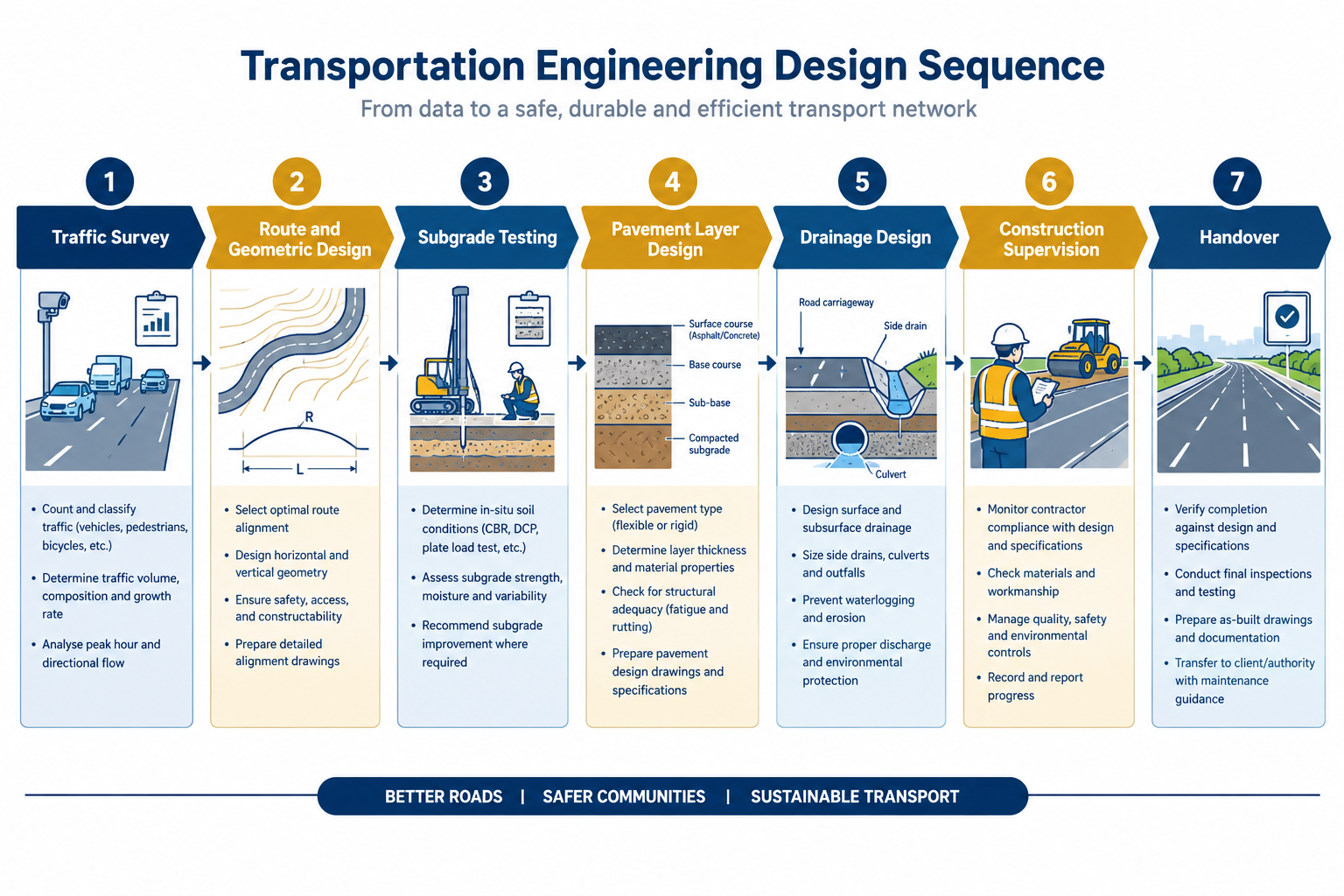
Transportation engineering best practices cover route design, pavement layers, drainage, and COREN standards — see how they build lasting Nigerian roads.
-
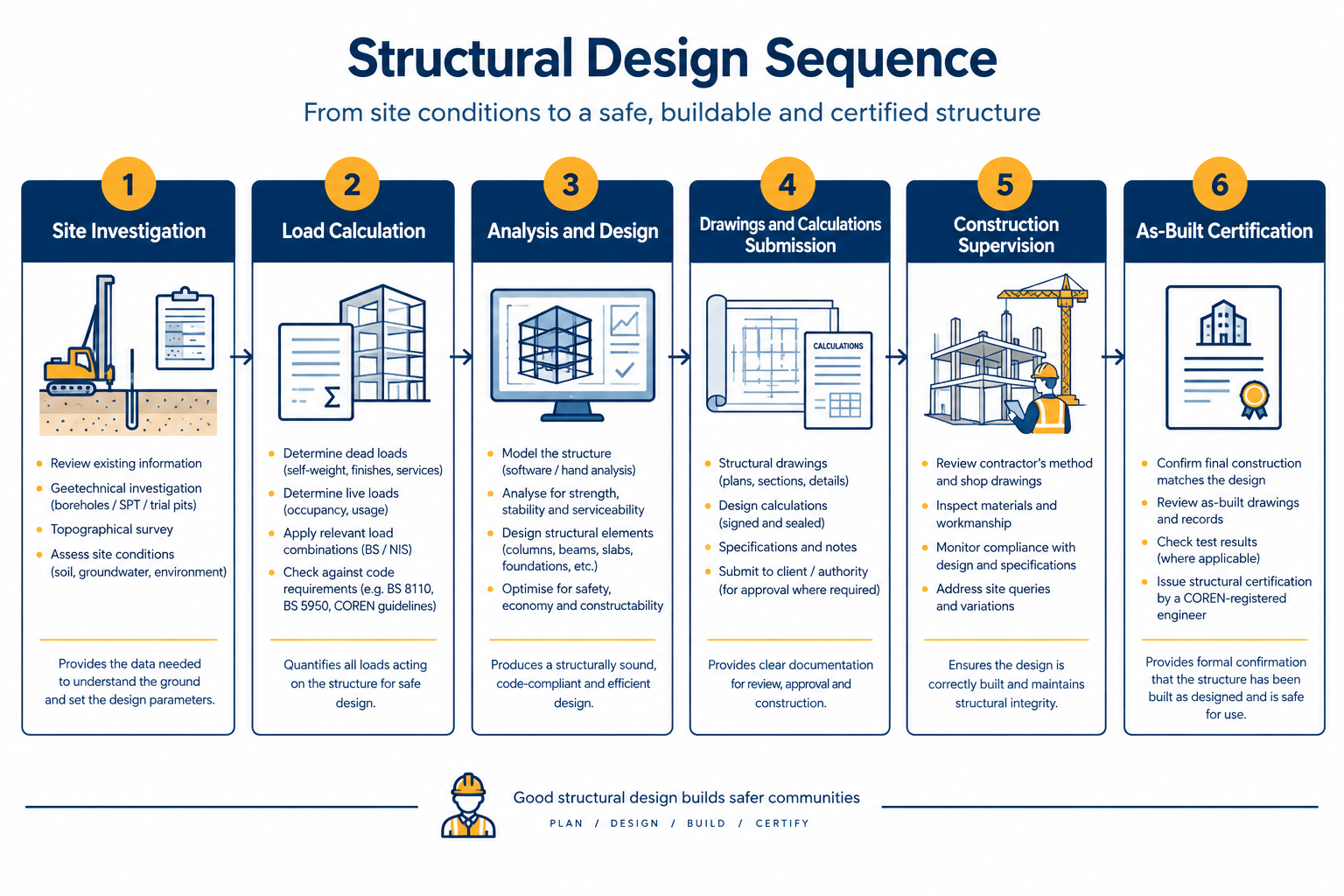
A practical structural engineering guide to design principles, Nigerian codes, common pitfalls, cost factors, and a checklist for safer, compliant builds.
-

Every civil engineer eventually stands at a site where the drainage cannot handle the rain that actually falls — a culvert sized for a smaller catchment now serving three times the paved area, or a borehole yielding less water each dry season as the surrounding aquifer draws down. These are water resources problems, and they…
-

A client in Lagos recently asked why two structural engineering proposals for the same six-storey residential block differed in fee by almost 40%, even though both promised an identical reinforced concrete frame. The cheaper proposal reused a generic foundation detail from an unrelated site and skipped a full soil investigation. The other included borehole testing,…
-
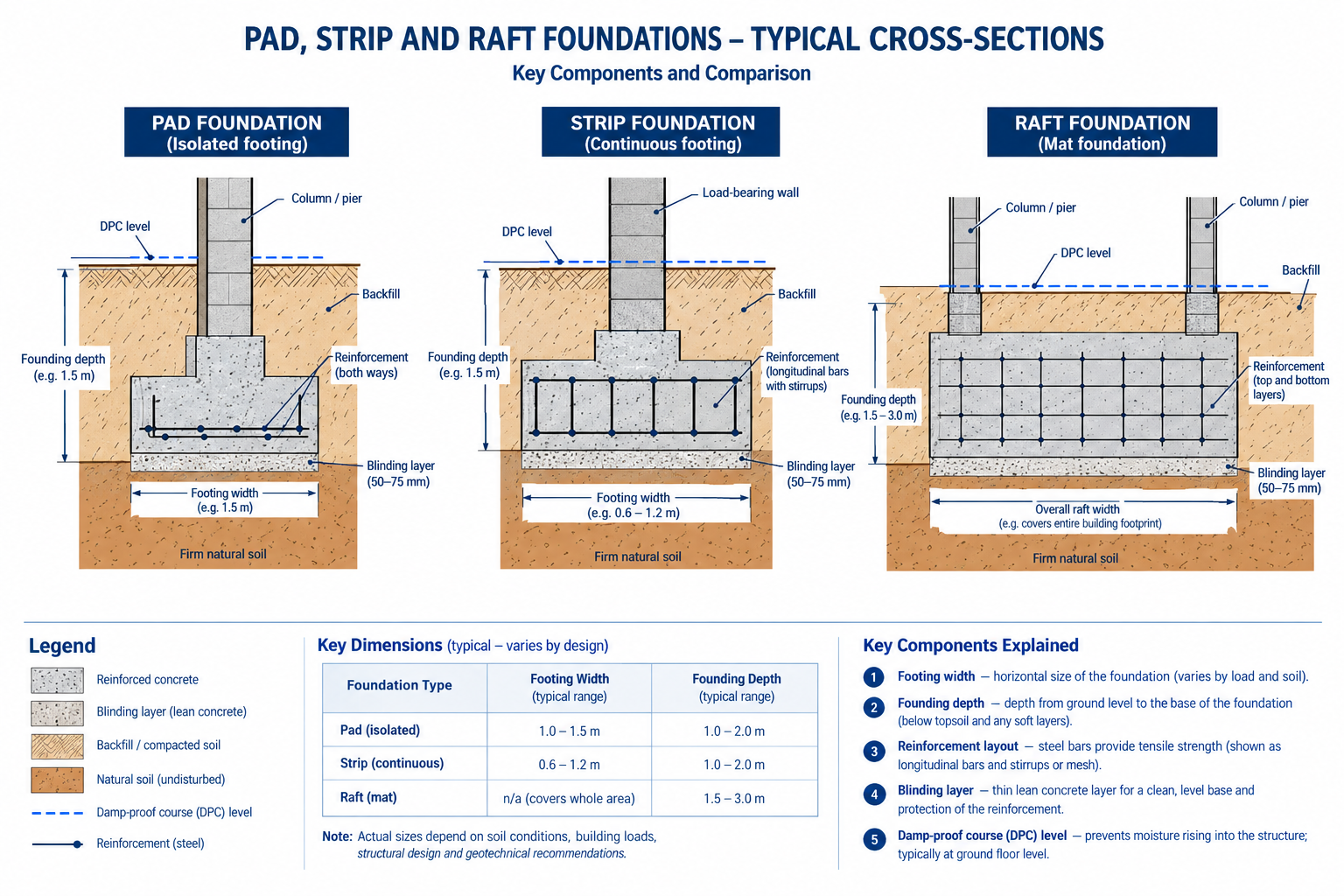
A three-storey residential building in a fast-growing part of Lagos develops a diagonal crack running from a ground-floor window toward the roofline eighteen months after handover. The concrete strength tests come back fine. The steel detailing matches the drawings. The problem sits below grade: the original design assumed a safe bearing capacity the site’s soft,…
-

A structural design can look flawless on paper and still crack, settle, or fail once construction starts, because nobody understood how geotechnical engineering works before the drawings were finalised. Contractors from Lagos to Dubai to London run into this every year: a raft foundation that settles unevenly on one corner, a piling rig that refuses…
-
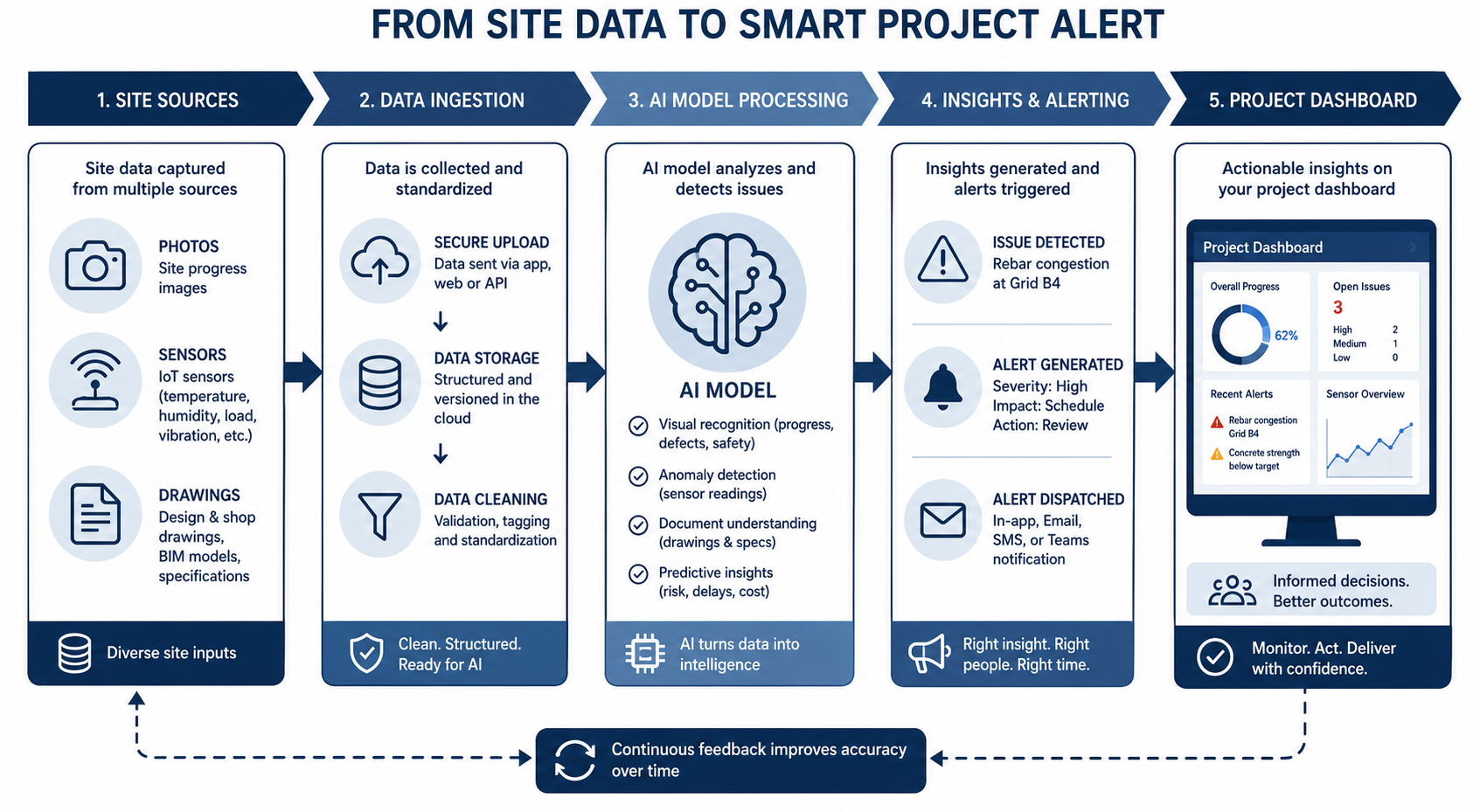
On a mid-rise residential site along the Lekki-Epe corridor, a site engineer spends Monday morning walking the slab formwork with a tape measure and a paper checklist, cross-referencing what he sees against a drawing set that has already been revised three times this month. By the time his report reaches the project manager on Wednesday,…
-
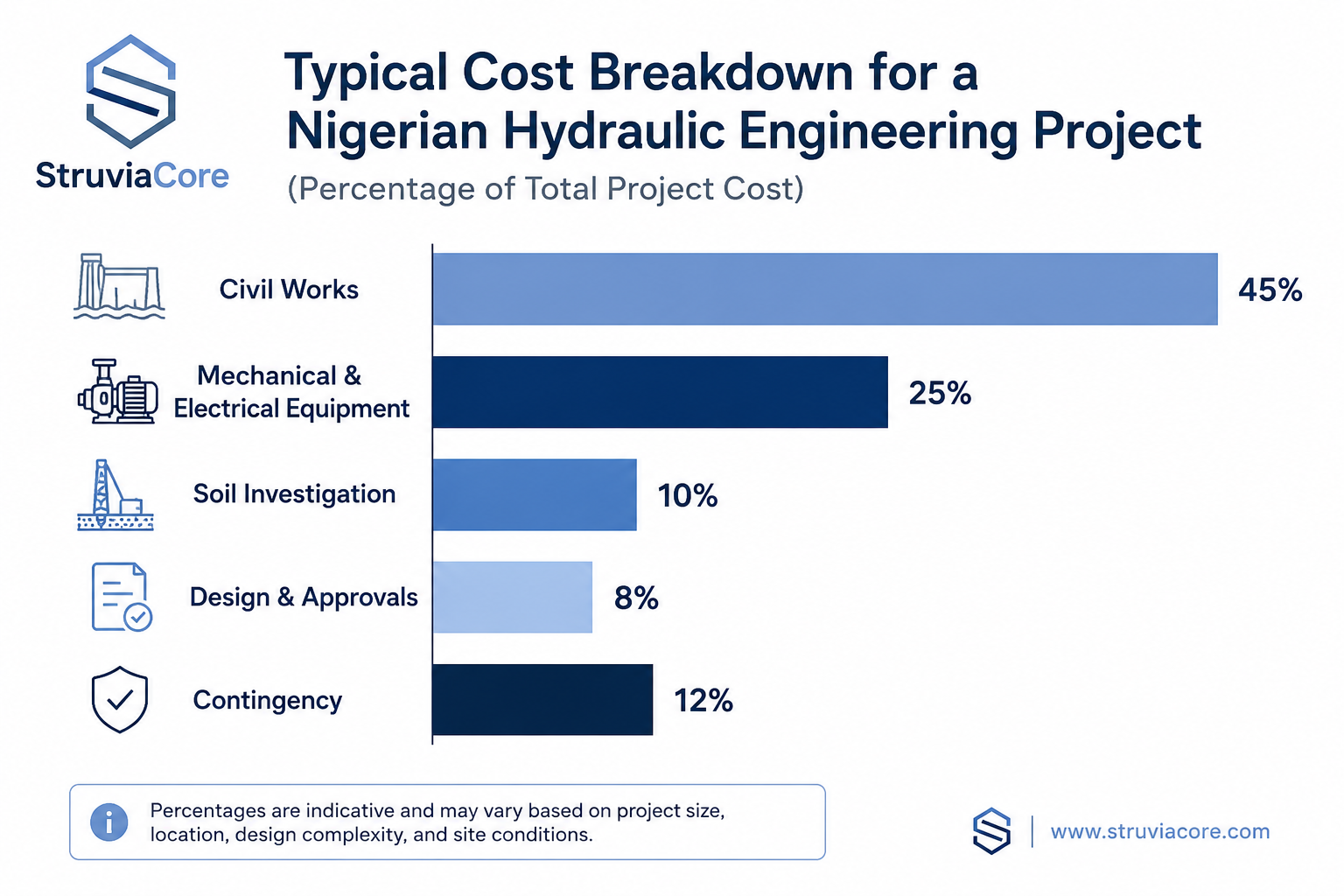
On a drainage upgrade project along the Abule-Egba axis of Lagos in 2023, the contractor’s piling rig hit soft marine clay nearly four metres deeper than the preliminary soil report indicated. The pump house foundation design had to be revised mid-construction, the piling subcontractor remobilised, and the client absorbed a cost variation that pushed the…
-
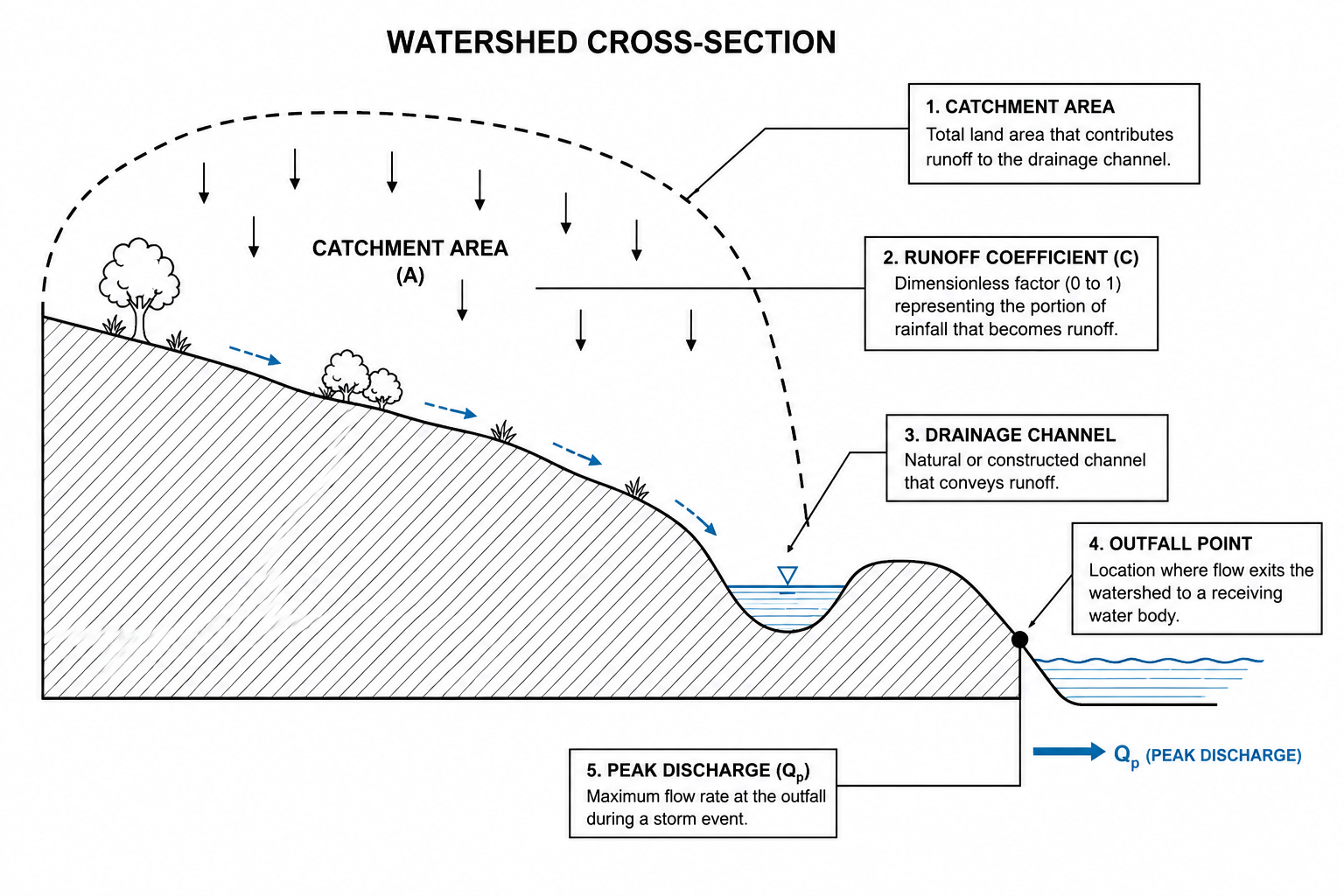
A drainage channel in Lekki backs up after forty minutes of rain, and the estate behind it floods to the doorstep. The contractor blames the storm. The resident blames the drainage contractor. Neither has actually measured the catchment area feeding that channel, and that is where most water resources failures begin — not in the…
-
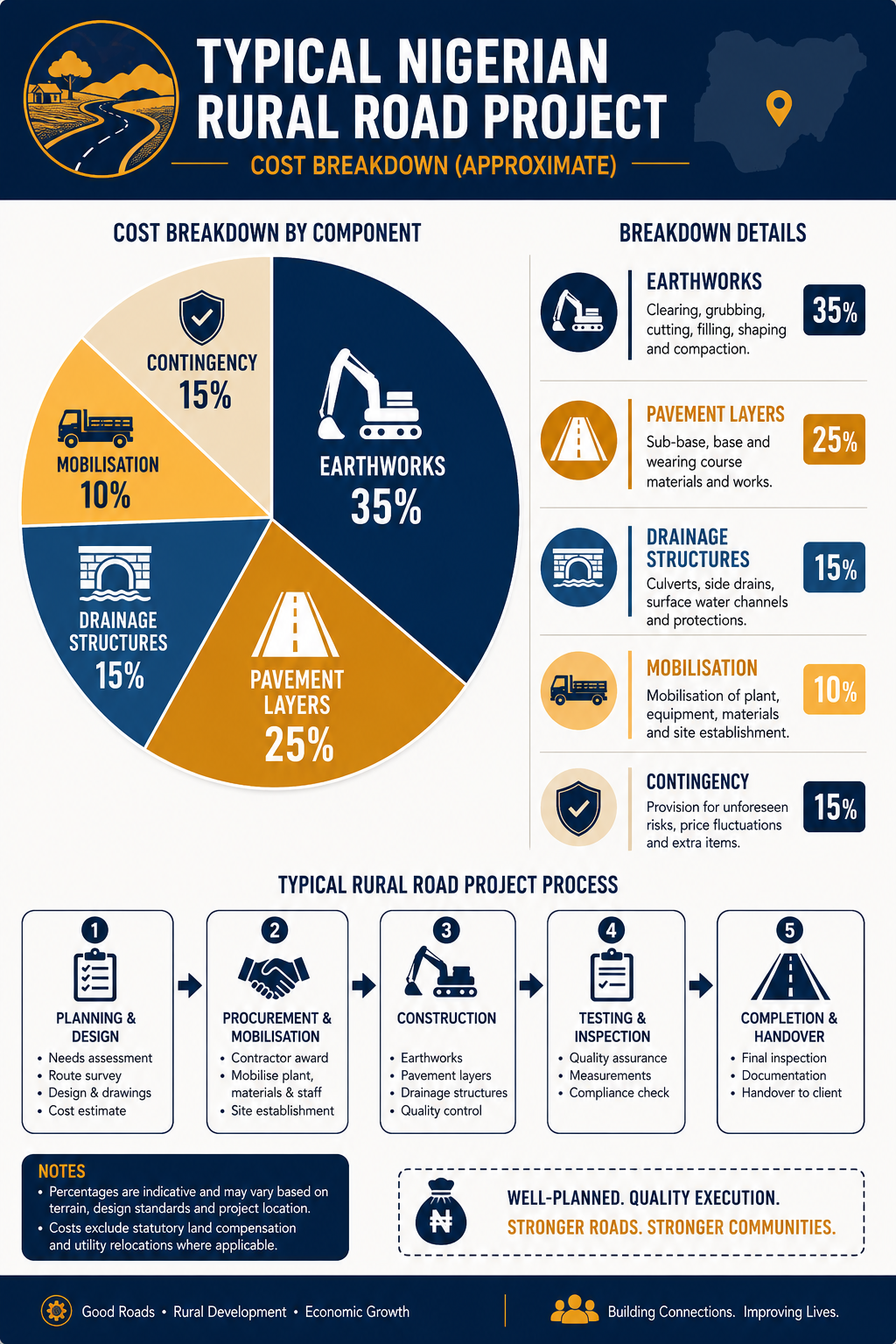
A site engineer reviewing a bill of engineering measurement and evaluation (BEME) for a 12km rural access road in Ogun State recently found that earthworks alone consumed 38% of the contract sum — far above the 20-25% typically budgeted. The cause was not poor estimating. It was a soil profile that shifted from lateritic gravel…
-
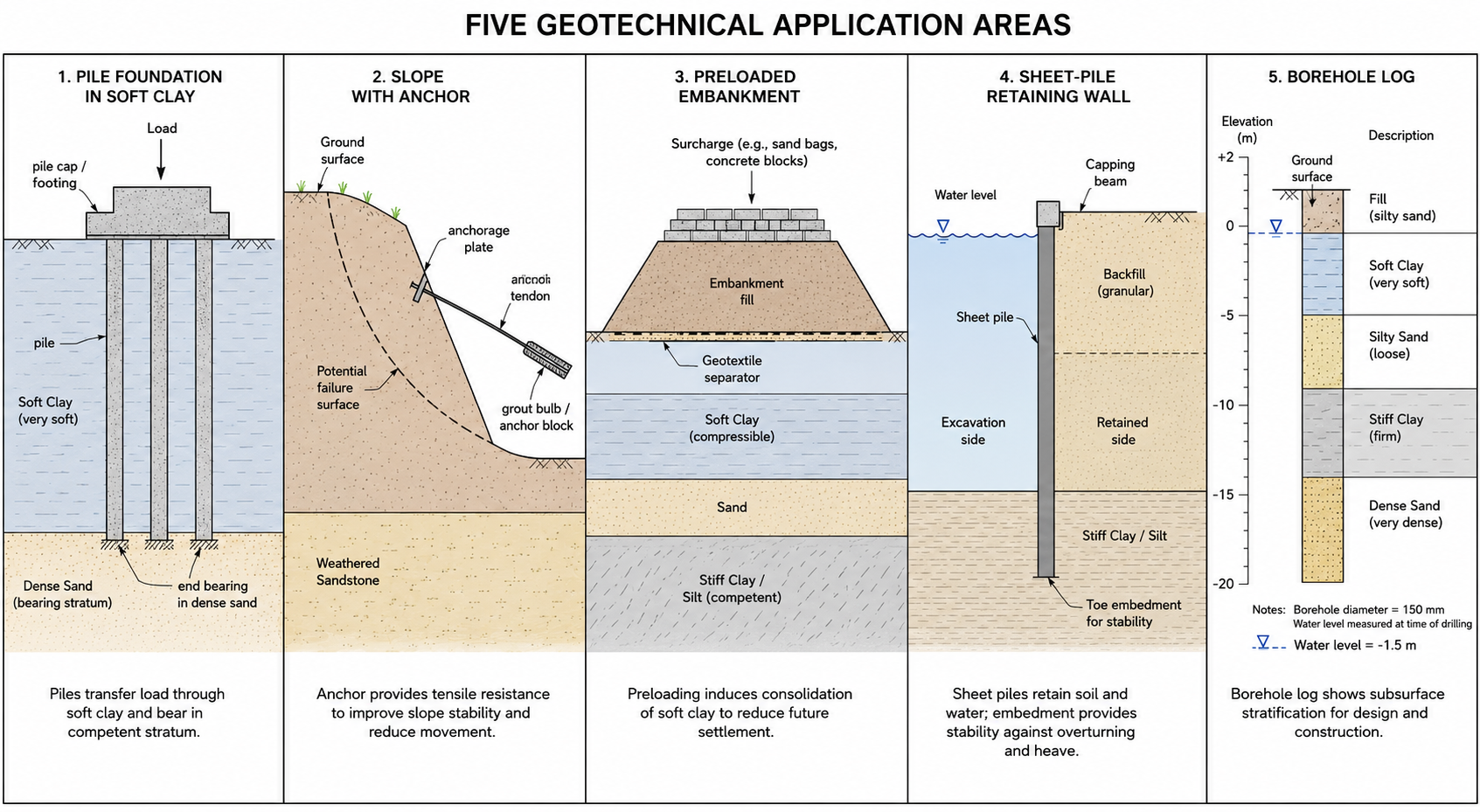
A 12-storey residential block in Lagos Island begins to settle unevenly six months after handover. Cracks propagate through the ground-floor columns. The structural engineer checks the frame — it’s fine. The problem started below the surface, where fill material of variable compressibility was never properly characterised before construction began. This is geotechnical engineering failure at…
-
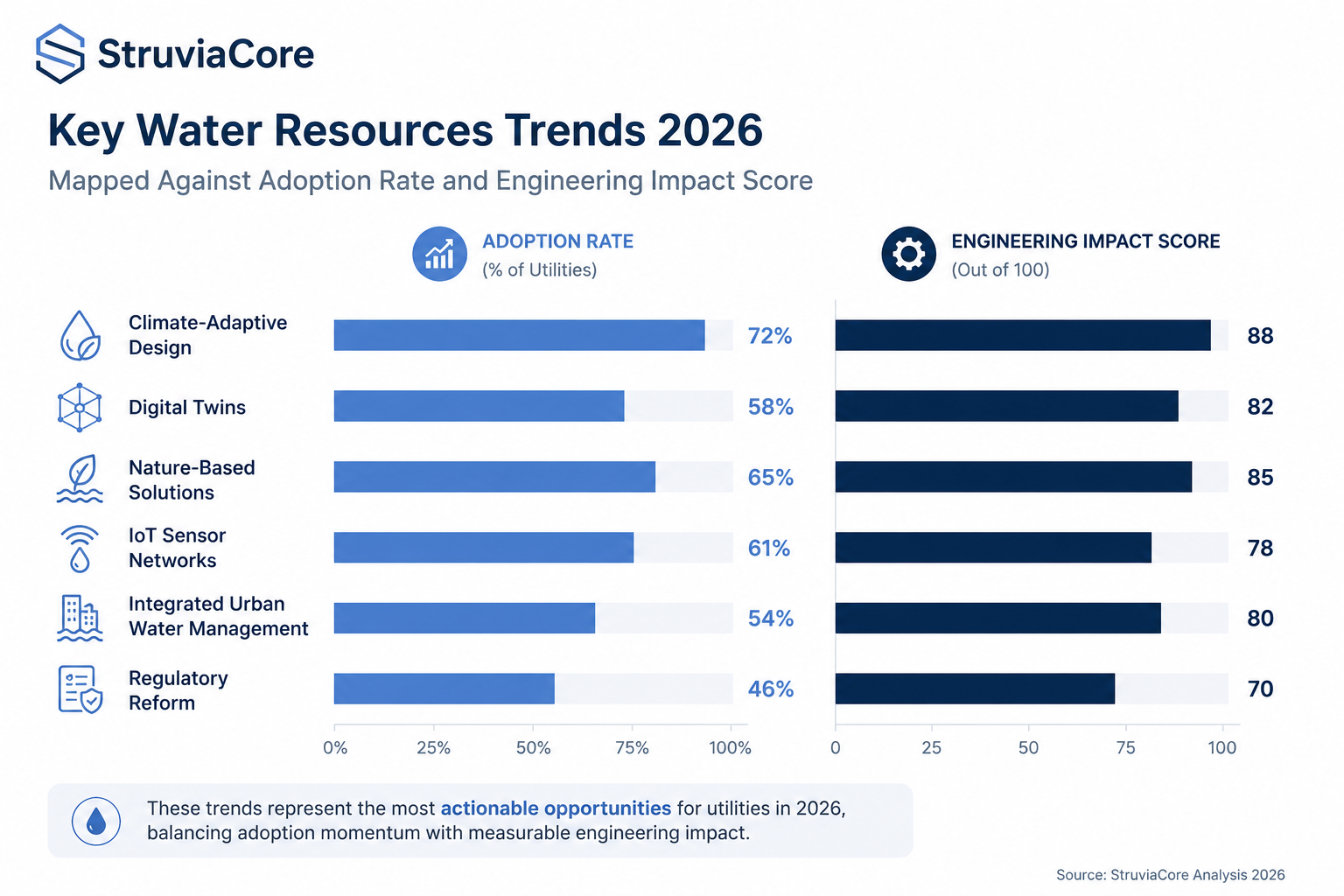
META DESCRIPTION: Water resources trends 2026 are reshaping how engineers design drainage, flood systems, and urban water networks. Discover what’s changing — and how to stay ahead. Water Resources Trends 2026: What Civil Engineers Need to Know In the wet season of 2024, parts of Lagos saw floodwater inundate Lekki-Epe Expressway for the third consecutive…
-
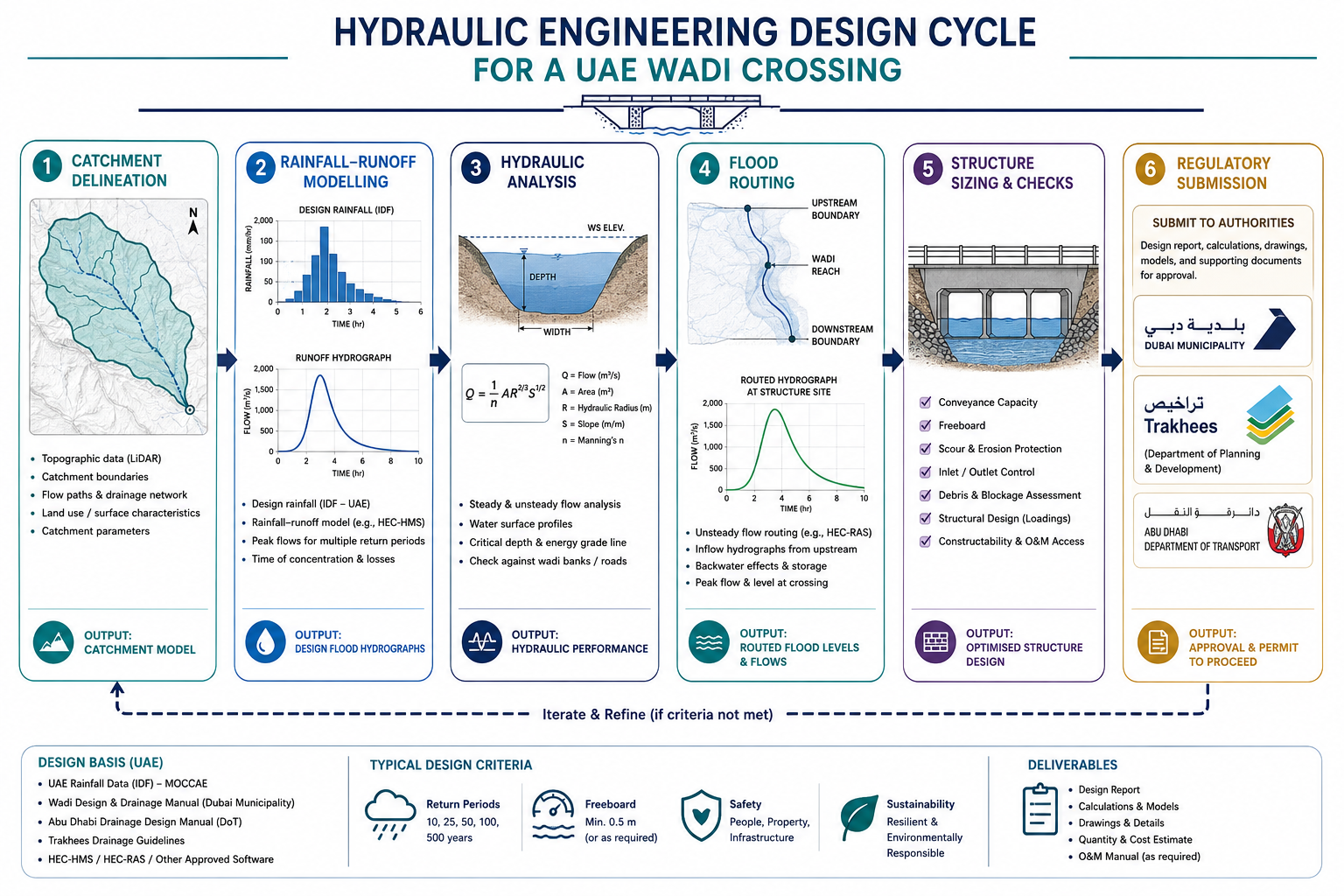
A drainage engineer on a mixed-use development in Dubai once described his project’s first monsoon season as “instructive.” The site flooded in under forty minutes despite a drainage network that looked perfectly adequate on paper. The wadi catchment upstream had not been modelled accurately. The soil infiltration rates used in the design came from a…
-

You are driving on a four-lane arterial road when traffic grinds to a halt — not because of an accident, but because the intersection ahead was designed without accounting for peak-hour turning volumes. The signal phase is too short. The lane widths are too narrow for the truck traffic that dominates the corridor. The right-turn…
-
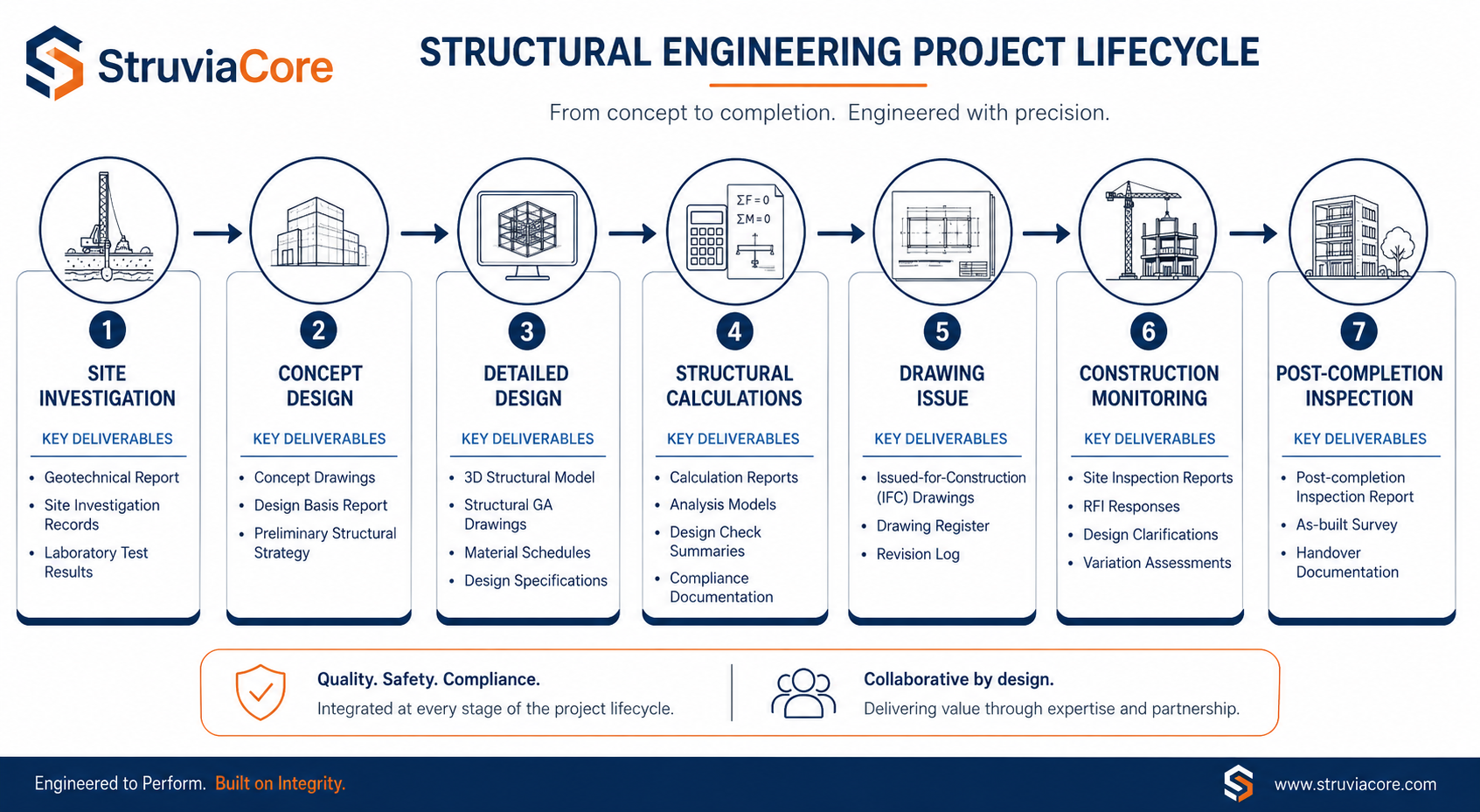
A six-storey residential block in Lagos. A footbridge over a dual carriageway in Abuja. A warehouse frame in Port Harcourt sitting on expansive clay. Every one of these projects starts the same way — with an engineer making a series of decisions under uncertainty. Get those decisions right, and the structure performs safely for fifty…
-
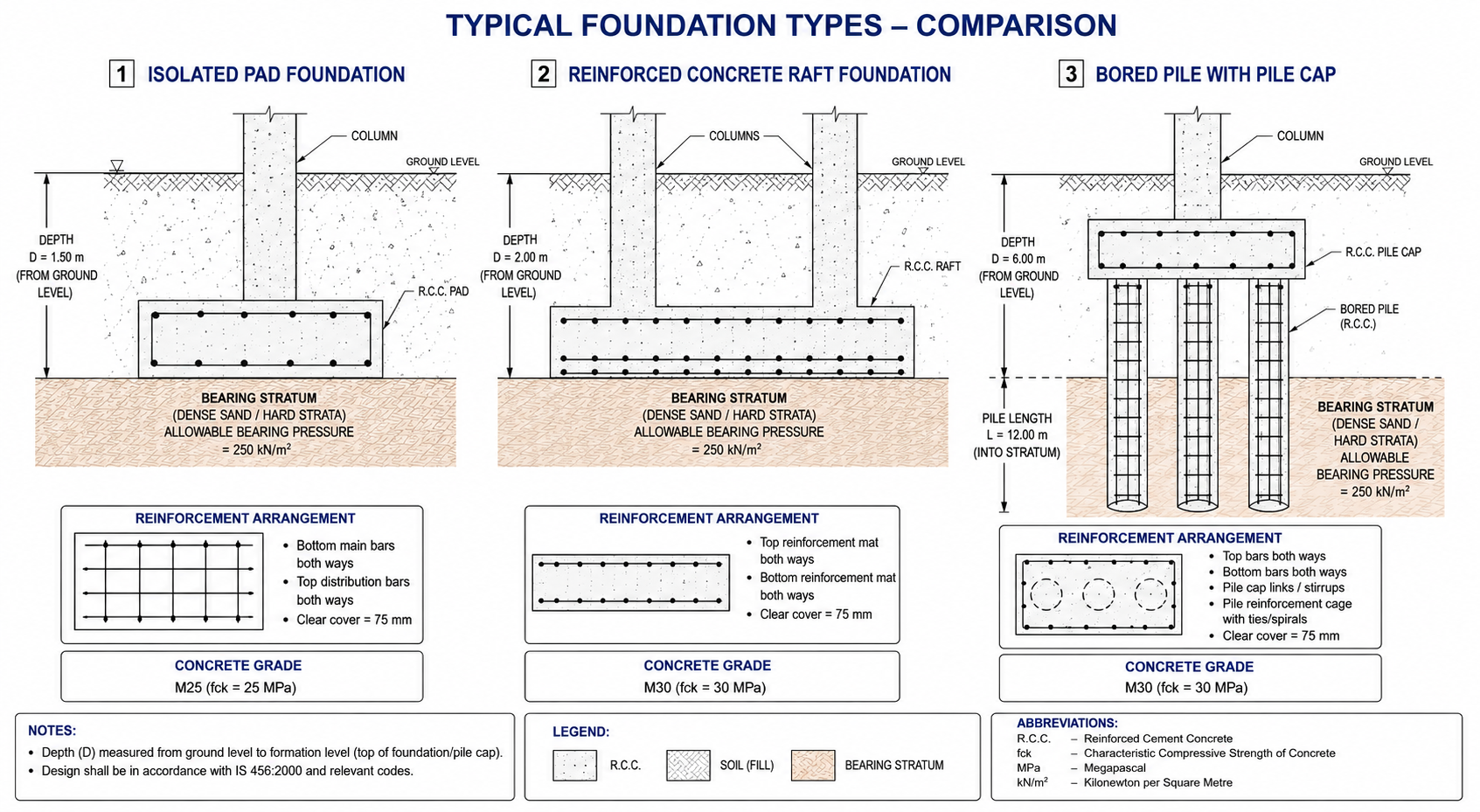
A project manager in Lagos once told me his contractor had to re-mobilise piling equipment midway through a job because the geotechnical report — procured cheaply and quickly — had missed a soft clay lens at 8 metres depth. The pile specification changed, the programme slipped by six weeks, and the cost overrun wiped out…
-
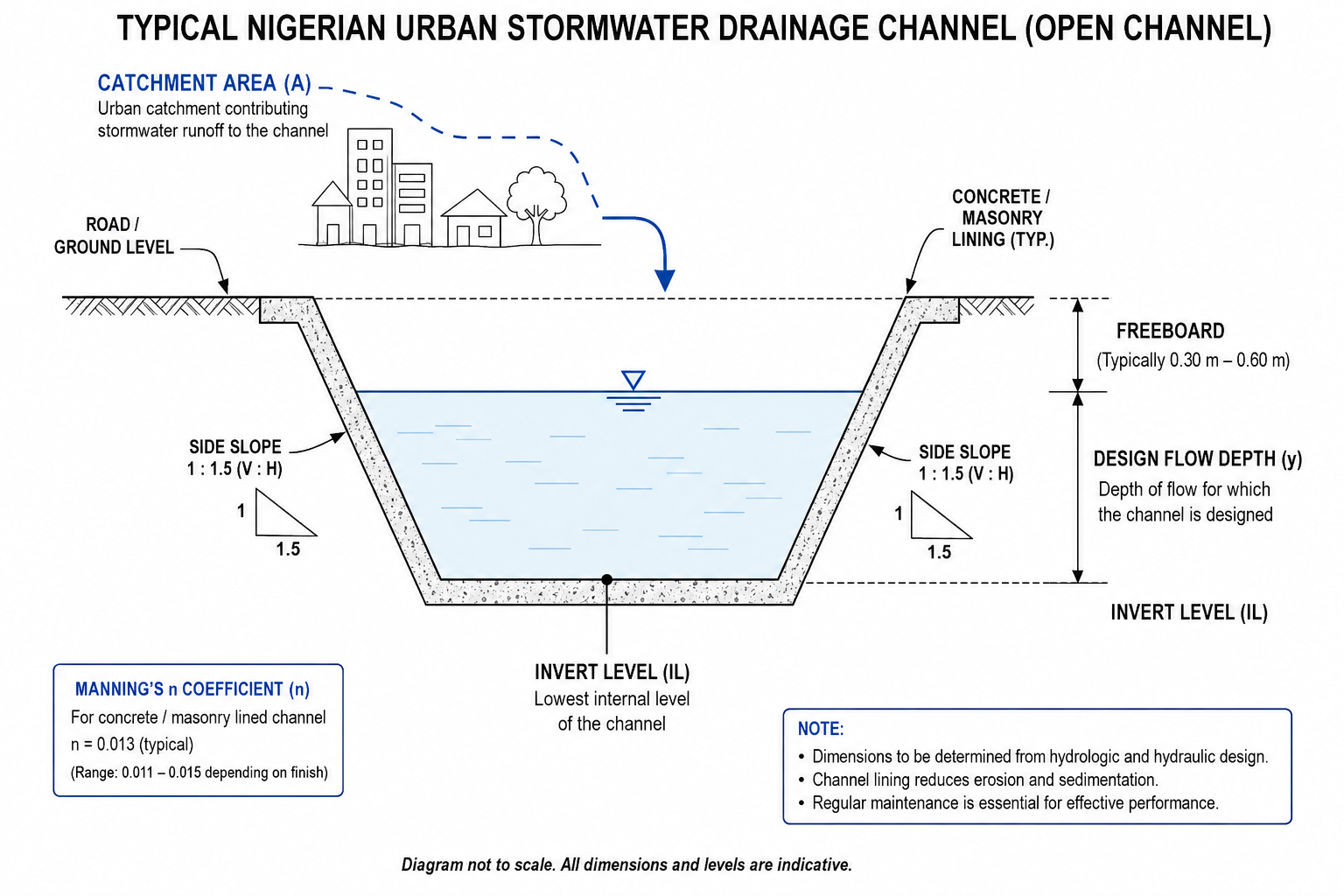
When the Ogunpa River flooded Ibadan in 2011 and again in 2017, the damage was not simply a result of heavy rainfall. It was the outcome of inadequate hydraulic design — culverts sized for historical flow rates that no longer reflected urban catchment realities, drainage channels blocked by sedimentation, and a floodplain that had been…
-

Drive along almost any federal highway in Nigeria during the rainy season and you’ll see the same story repeating itself: potholes forming along wheel paths within two or three years of resurfacing, edge failures creeping in from poorly drained shoulders, and patched sections that fail again within months. For most site engineers and project managers,…
-
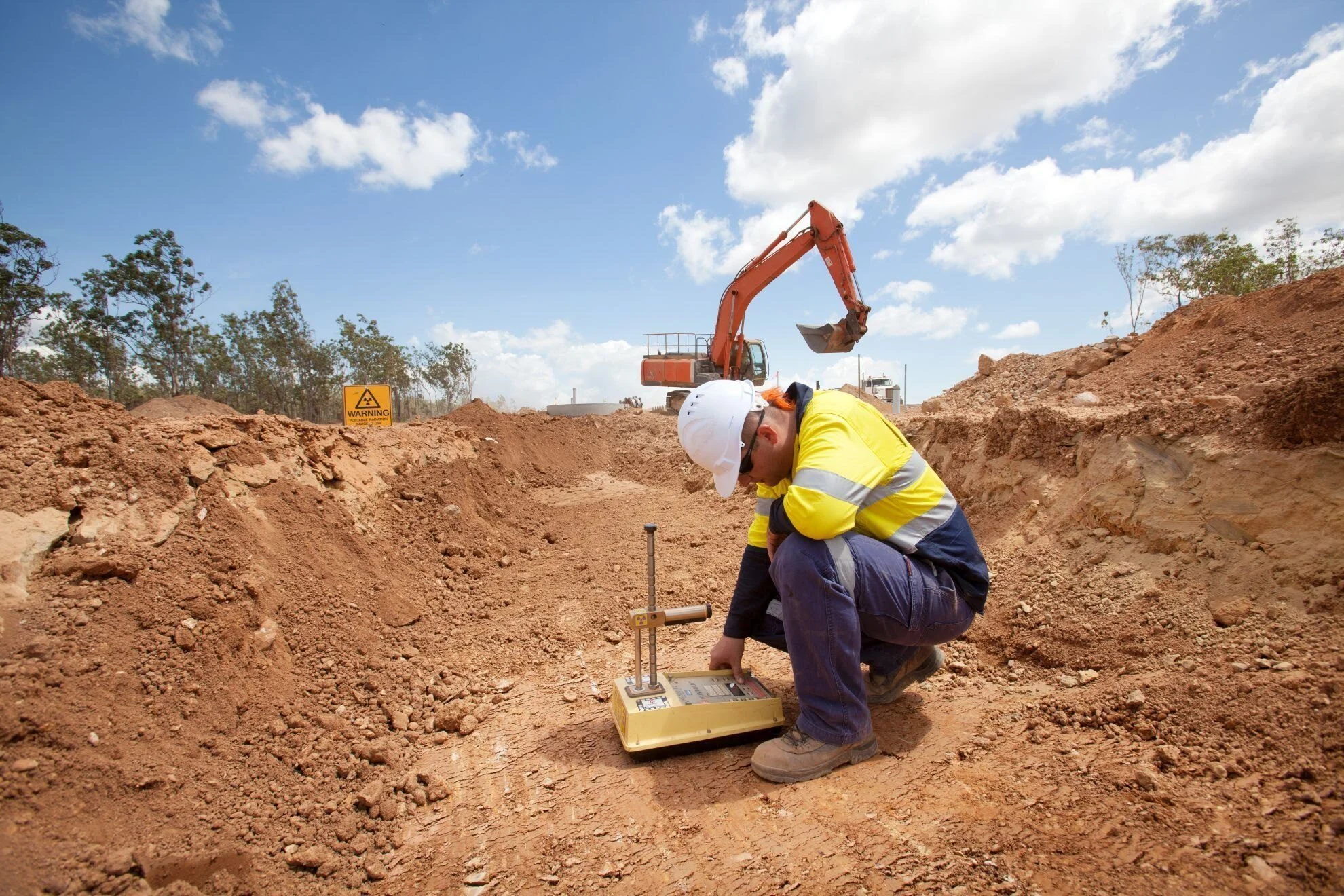
Walk onto any active site in Lekki, Asaba, or Karu today and you’ll notice something different from a decade ago. The borehole rig is still there, but so is a drone mapping the topsoil, a technician logging cone penetration data on a tablet, and a contractor asking about ground improvement instead of simply specifying a…