
Category: Construction Technology
-
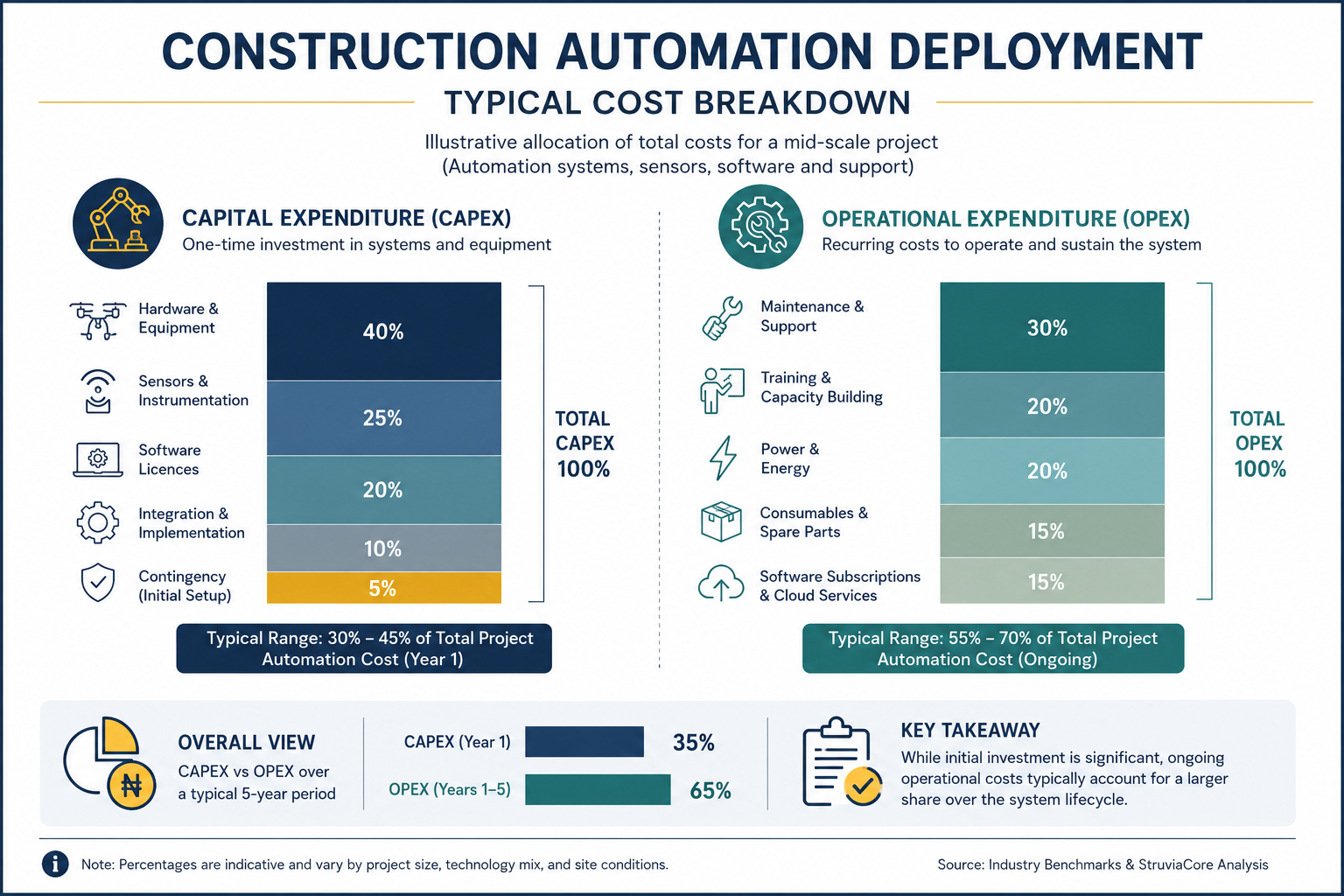
A site engineer in Lagos gets two numbers on the same afternoon: a quote for a robotic rebar-tying unit and the monthly wage bill for the four labourers it would replace. The machine costs more than the crew earns in a year. On paper, that looks like an easy decision — until the maintenance contract,…
-
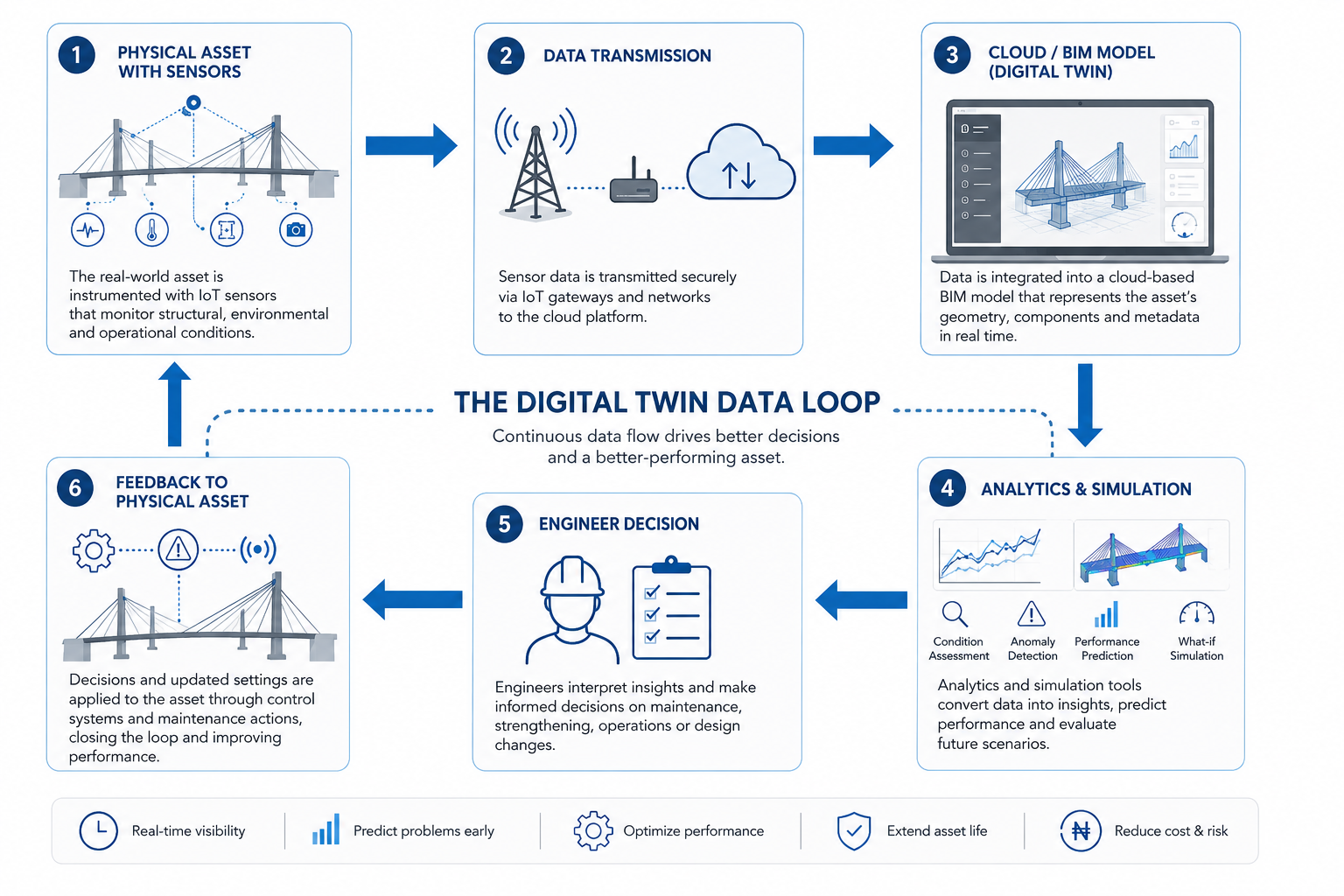
A site engineer in Lagos watches a dashboard update in real time as a bridge deck sensor reports a 2mm deflection under peak traffic load. Two thousand kilometres away, a facilities manager in Dubai reviews a 3D model that shows exactly which chiller unit in a 40-storey tower is drawing more power than its design…
-
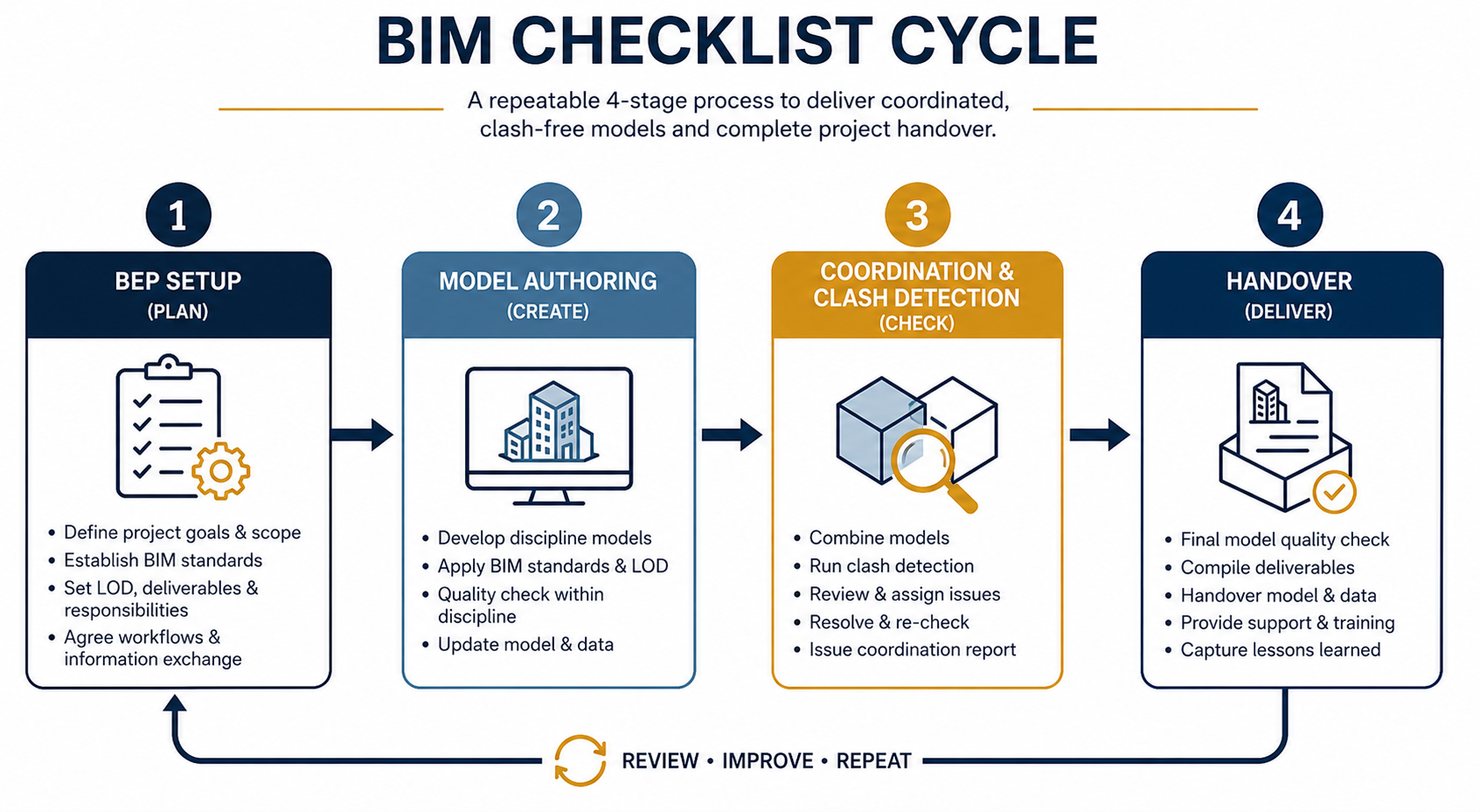
A structural engineer opens a coordinated model three weeks before pour, only to find the ductwork routing wasn’t updated after the last architectural revision. The clash goes unnoticed until a site supervisor in Lekki flags a beam soffit that’s 200mm lower than the drawings show. This is not a software failure. It’s a BIM checklist…
-

A tower crane operator on a high-rise site in Lekki gets a warning on his handset before his supervisor even radios him: a strain gauge fitted to the crane’s jib has logged a load reading outside its rated envelope. No one climbed the mast to check a dial. IoT, or the Internet of Things, is…
-
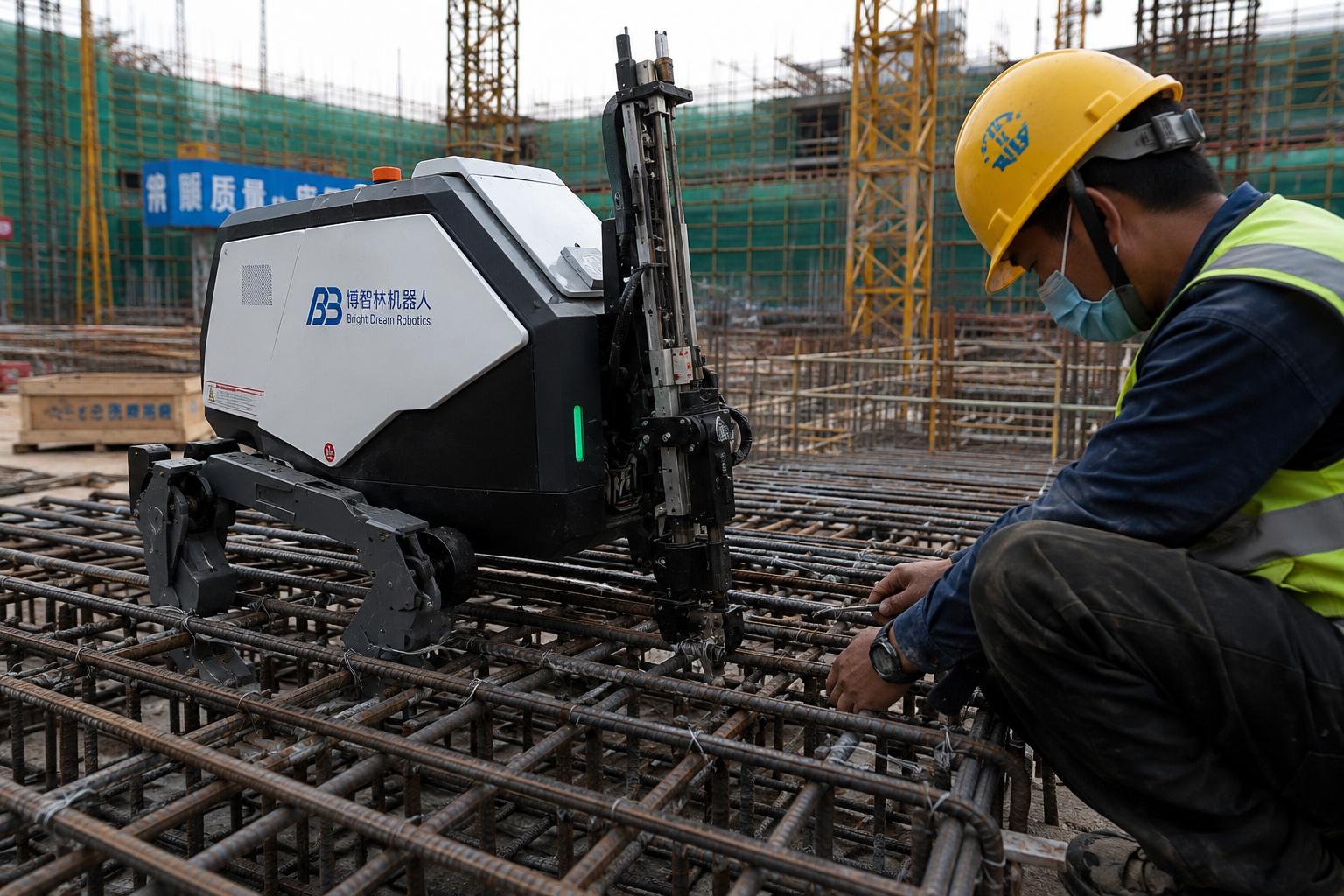
A site foreman in Lagos watches two steel fixers spend a full day hand-tying a single rebar cage for a transfer beam, while three more cages wait in the yard and the pour date does not move. The bottleneck is not concrete supply or crane availability — it is skilled labour. Across the UK, the…
-

A site engineer in Lekki checks a crack that appeared in a retaining wall three months after handover. The as-built drawings are two revisions out of date, the geotechnical report is in a filing cabinet in Abuja, and nobody can say for certain what the soil bearing capacity was at that exact chainage. This is…
-

A site engineer on a mid-rise project in Lagos spends three days a month reconciling as-built drawings against site measurements taken by hand. On a project using automated total stations and drone survey, that same reconciliation takes an afternoon. This gap is not theoretical — it is the difference between a project that holds its…
-

A structural engineer opens a clash report on a Tuesday morning and finds forty-one conflicts between the mechanical ductwork and the primary beams on Level 6 — conflicts that would have surfaced on site, mid-pour, if nobody had caught them first. This is the everyday reality Building Information Modelling was built to prevent. If you…
-

A site engineer in Lagos watches a bricklaying robot lay 300 blocks in the time a crew would need four hours to lay 150. The output looks impressive on a demo reel. Three weeks later the same unit is idle because nobody checked whether the site’s Wi-Fi coverage could support its positioning system, and the…
-
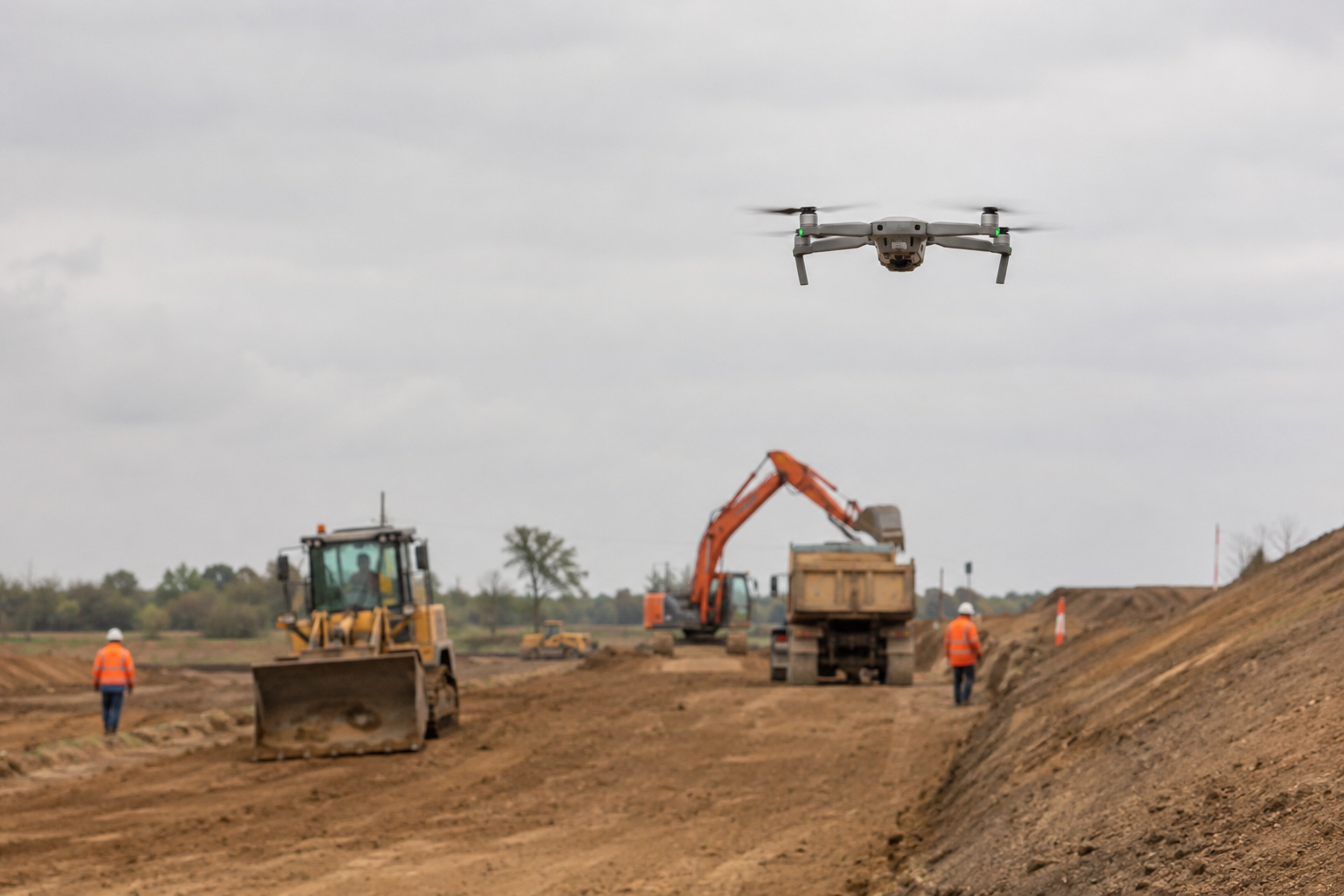
A site engineer arrives at a 40-hectare infrastructure project on a Monday morning and needs a topographic survey completed before the concrete pour can be scheduled. A decade ago, this meant a survey crew working for two to three days with total stations and GPS rovers. Today, that same engineer can launch a drone, capture…
-

A site engineer in Lagos flags a crack pattern on a retaining wall photo and gets a probable cause within seconds. A structural team in Dubai runs a clash-detection pass on a 40-storey BIM model overnight instead of over three days. A rail contractor in the UK feeds sensor data from track-side accelerometers into a…
-

A site manager on a mixed-use tower in Lekki recently asked why a vibration-monitoring sensor network quoted at $40,000 for twelve months had ballooned to $67,000 by handover. The answer wasn’t the sensors. It was cellular data charges in a low-coverage zone, a platform license renegotiated mid-project, and calibration visits nobody had budgeted for. This…
-
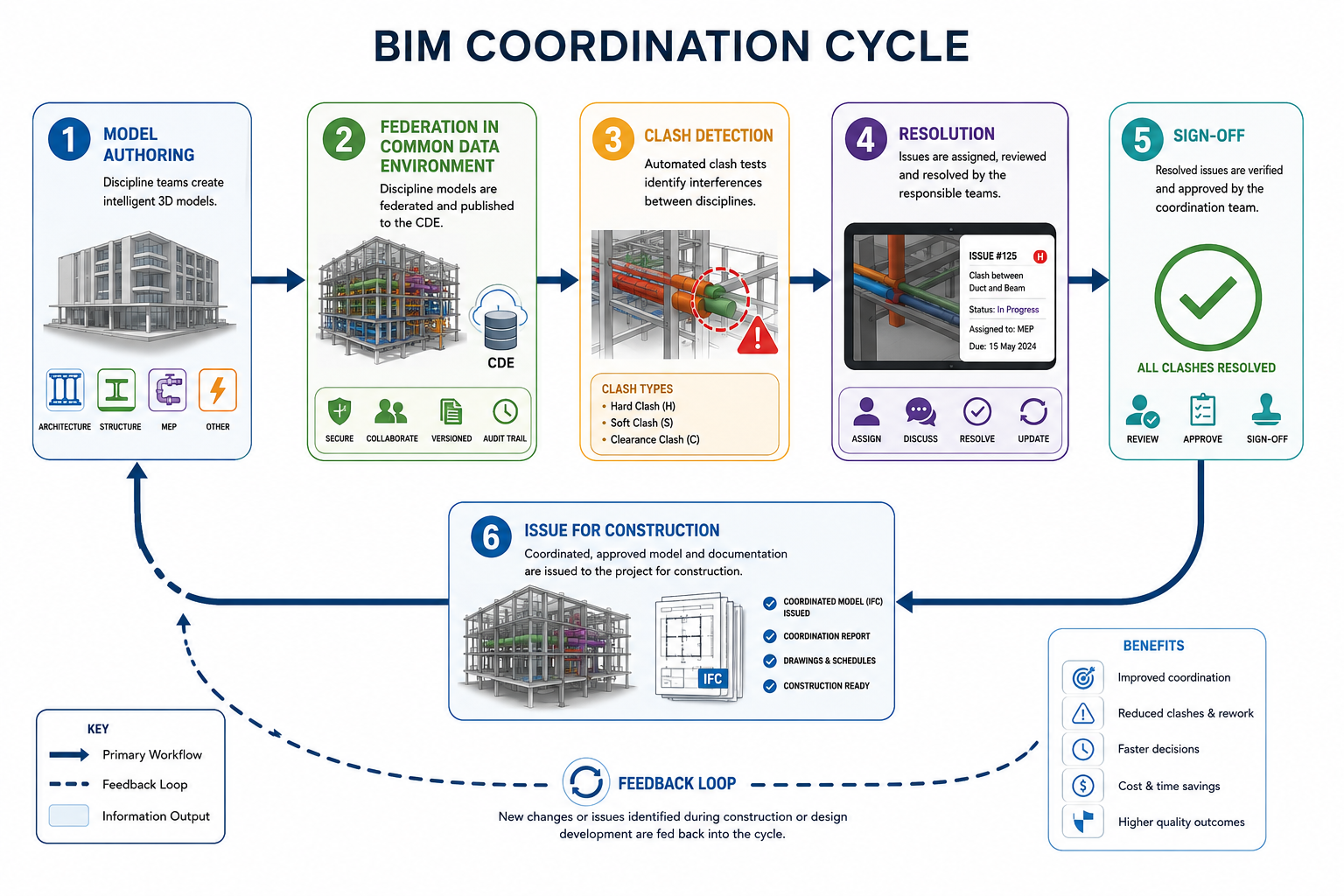
A structural team in Lagos issues a reinforced concrete drawing package. Three weeks later, the MEP contractor discovers a 300mm chilled water riser clashing with a transfer beam on the fourth floor. The clash was visible in the model the entire time — nobody was looking at the model together. This is the scenario that…
-
A site engineer in Lekki checks a piling rig’s load data on a tablet while a structural model on the same screen updates itself in real time, flagging a deviation between designed and as-built pile depth before the concrete truck arrives. That is not a demonstration reel. It is what a working digital twin does…
-
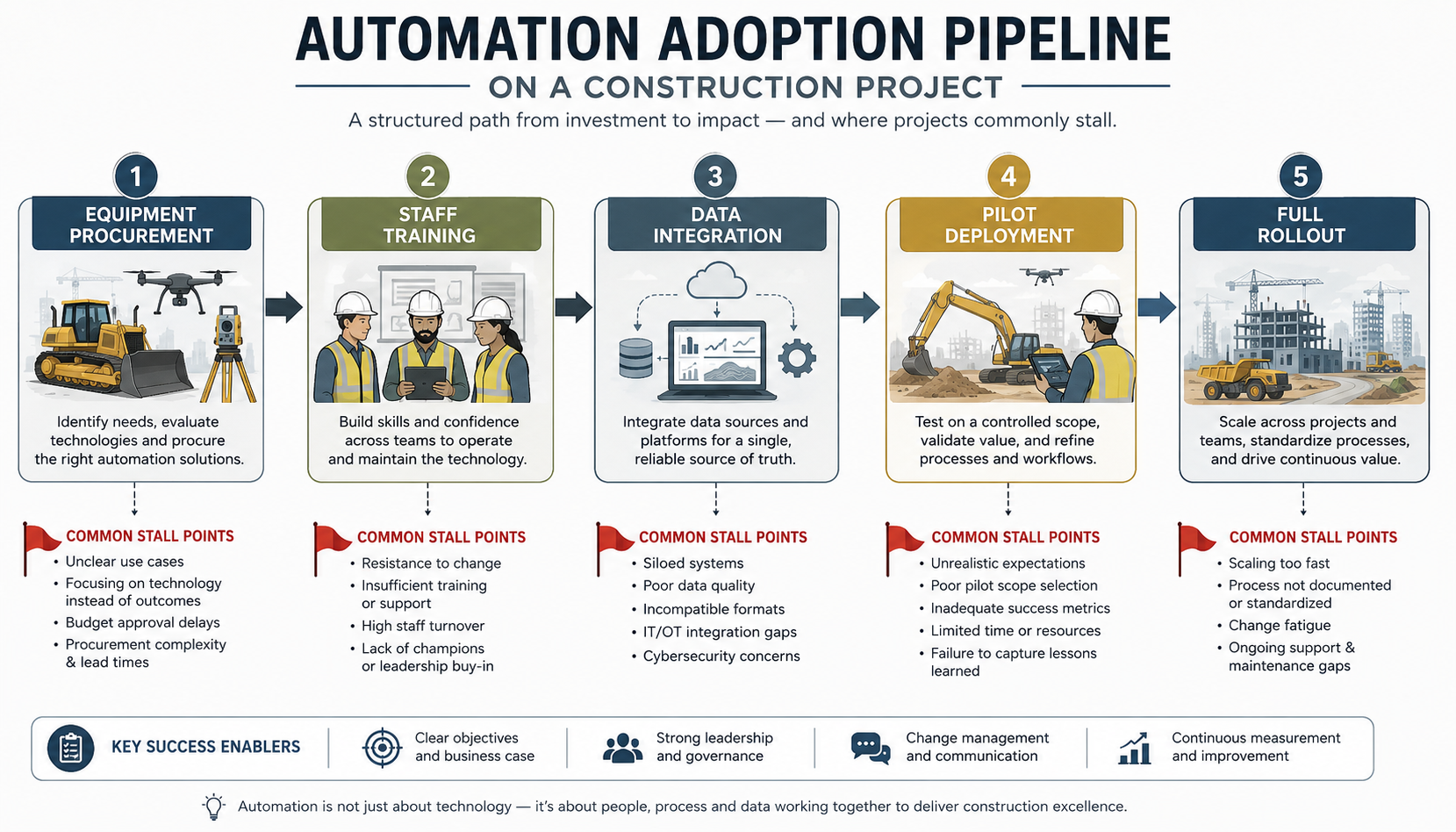
A site engineer in Lagos sets up a drone survey program to cut down on manual chainage and levelling work. Three months in, the drone data sits in one software format, the BIM model sits in another, and nobody on the quantity surveying team can pull the two together without exporting to Excel and manually…
-

A site engineer standing at the edge of a 12-hectare earthworks platform in Lekki once needed three days and a four-man survey crew to produce a single topographic update. Today that same dataset comes back within hours, captured by a quadcopter flown by one technician on a tablet. Understanding how drones work on a construction…
-

A drone passes over a construction site in under twenty minutes and delivers a georeferenced point cloud that would have taken a survey crew two days to produce on the ground. That efficiency is real — but so is the invoice that follows. Project managers who adopt drone technology without understanding its full cost structure…
-

Walk onto a large infrastructure project today and you may see a quadruped robot scanning formwork for dimensional accuracy, a rebar-tying machine working ahead of the concrete pour, or an autonomous tracked vehicle ferrying materials across a congested site. These are not demonstration units — they are production tools on live contracts. Yet for every…
-
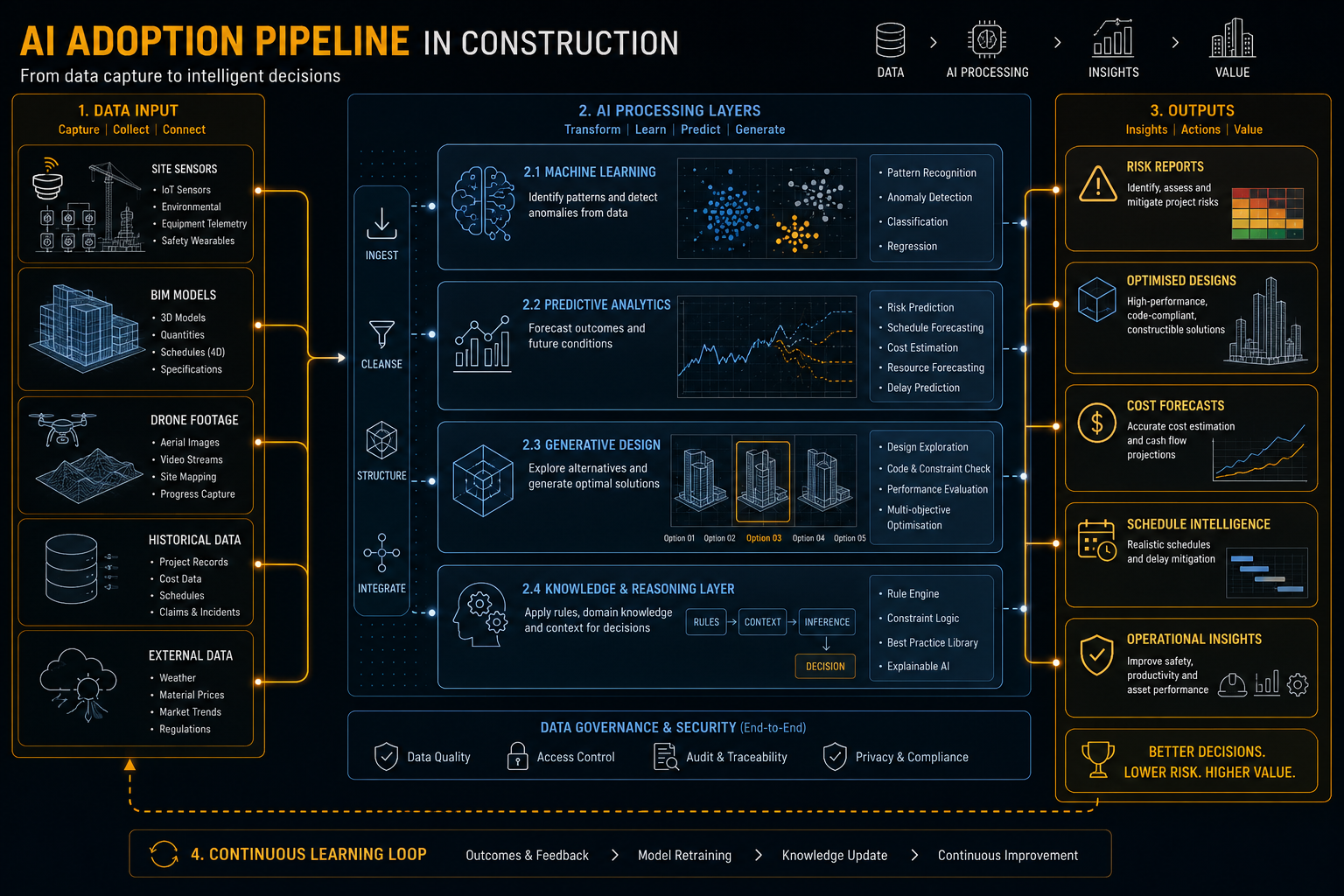
Walk onto any major infrastructure site in 2026 and the evidence is hard to ignore. Project managers are reviewing AI-generated risk reports before the morning briefing. Structural engineers are running load optimization algorithms that would have taken a dedicated team three days to process manually. Quantity surveyors are validating material estimates against machine-learning models trained…
-

Walk onto any large construction site today — a bridge rehabilitation in Lagos, a high-rise in Abuja’s Maitama district, or a port expansion in Port Harcourt — and you will likely find at least one IoT device running in the background. A vibration sensor on a formwork frame. A soil moisture probe in a temporary…